


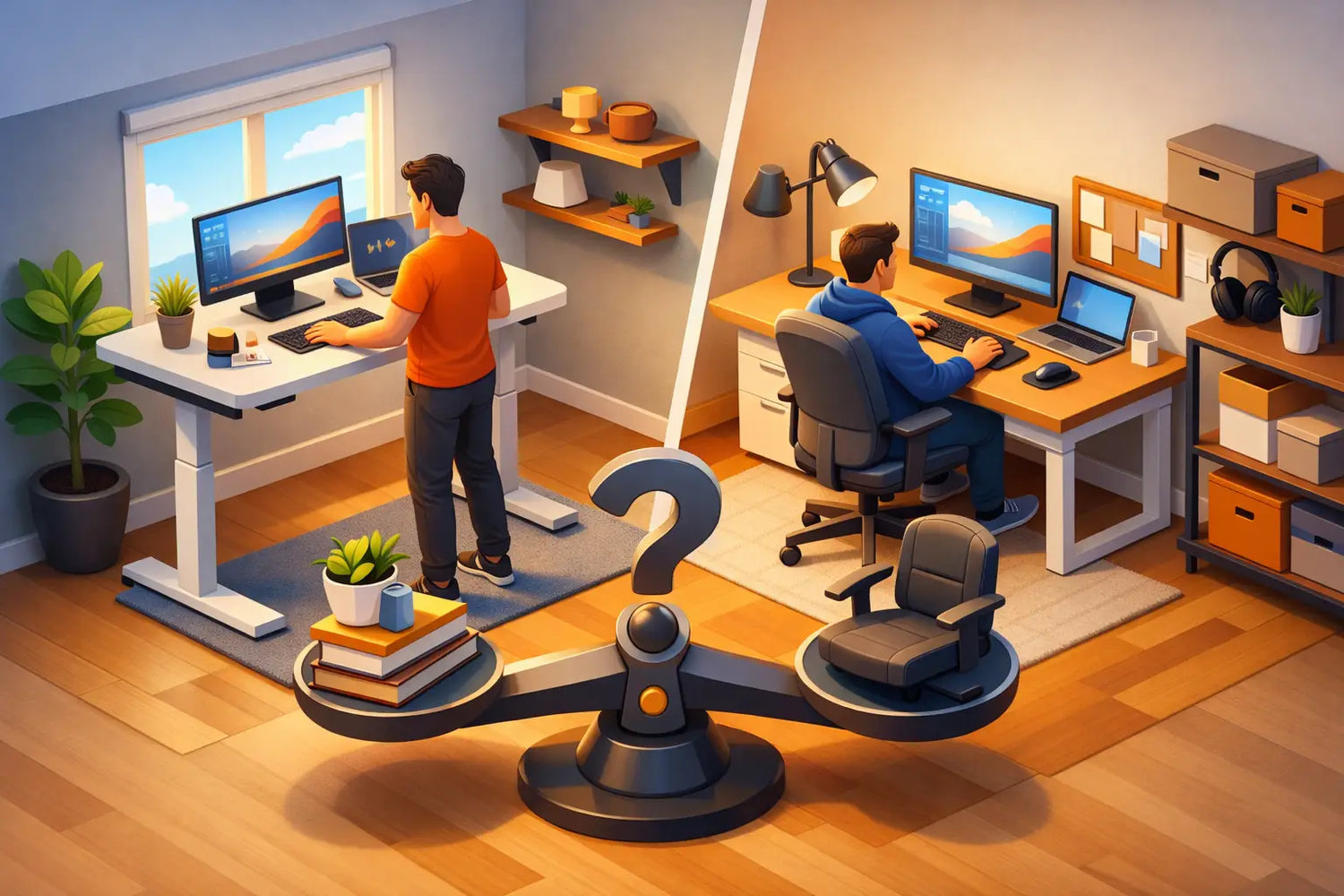
Das bekannte Tief um 15:30 Uhr lässt sich selten mit einem weiteren Kaffee beheben. Häufiger ist es die Folge davon, dass man stundenlang in derselben Haltung vor demselben Bildschirm sitzt, während sich die Schultern langsam in Richtung Ohren heben. Lohnt sich also ein Stehpult? Für viele Menschen, die von zu Hause aus arbeiten oder sich einen durchdachten Arbeitsbereich einrichten, ja – vorausgesetzt, das Pult wird als Mittel zur Bewegung genutzt und nicht als Ort, an dem man den ganzen Tag steht.
Ein höhenverstellbarer Schreibtisch macht die Arbeit nicht mühelos und behebt auch nicht von selbst alle ergonomischen Probleme. Was er jedoch leisten kann, ist, Ihrem Körper eine Wahlmöglichkeit zu bieten. Diese Wahlmöglichkeit ist wichtig, wenn Sie einen Großteil des Tages an Ihrem Schreibtisch verbringen, um nachzudenken, sich zu treffen, zu schreiben, kreativ zu sein und Entscheidungen zu treffen.
Lohnen sich Stehschreibtische? Die ehrliche Antwort
Ein Stehpult ist die Investition wert, wenn es Ihnen hilft, häufiger die Körperhaltung zu wechseln, gut zu Ihrer Arbeit passt und so solide gebaut ist, dass es über Jahre hinweg Teil Ihres Arbeitsplatzes bleibt. Es lohnt sich weniger, wenn es zu einer teuren Arbeitsfläche wird, die dauerhaft auf einer Höhe bleibt.
Der eigentliche Vorteil liegt nicht im Stehen an sich, sondern in der Abwechslung. Eine Weile zu sitzen kann bequem und produktiv sein. Eine Weile zu stehen kann belebend wirken und den Körper nach einer langen Phase konzentrierter Arbeit lockern. Der Wechsel zwischen beiden Positionen ist in der Regel realistischer und angenehmer, als eine der beiden Haltungen als die einzig richtige Lösung zu betrachten.
Für Remote-Mitarbeiter kann diese Flexibilität den Tagesrhythmus verändern. Vielleicht setzen Sie sich hin, um konzentriert zu schreiben, stehen für einen Videoanruf auf und kehren dann für Detailarbeit wieder in die sitzende Position zurück. Der Schreibtisch passt sich der jeweiligen Aufgabe an, anstatt Ihren Körper dazu zu zwingen, sich an ein feststehendes Möbelstück anzupassen.
Dies ist besonders in dänischen Haushalten von Bedeutung, wo das Homeoffice oft Teil eines Schlafzimmers, eines Wohnbereichs oder einer sorgfältig gestalteten Ecke ist und nicht in einem separaten Arbeitszimmer untergebracht ist. Ein Schreibtisch muss seine Aufgabe gut erfüllen, aber er muss auch seinen Platz im Raum verdienen.
Die Vorteile ergeben sich aus Bewegung, nicht daraus, den ganzen Tag zu stehen
Das überzeugendste Argument für einen höhenverstellbaren Schreibtisch ist ganz einfach: Er macht es leichter, Bewegung in den Arbeitsalltag zu integrieren. Wenn man für einen Positionswechsel den Tisch freiräumen, den Laptop umstellen oder einen anderen Arbeitsplatz suchen muss, bleiben die meisten Menschen lieber sitzen. Wenn sich der Schreibtisch auf Knopfdruck anhebt, wird der Wechsel zu einer kleinen, natürlichen Gewohnheit.
Das Stehen kann bei Telefonaten, Besprechungen und Aufgaben hilfreich sein, bei denen ein wenig mehr Energie von Vorteil ist. Viele Menschen empfinden es zudem als einfacher, kurz aufzustehen, sich ein Glas Wasser nachzufüllen oder zwischen den Aufgaben eine richtige Pause einzulegen, wenn sie aufrecht stehen. Diese kleinen Unterbrechungen bedeuten keinen Produktivitätsverlust. Sie können das Gefühl der Schwere und Starre verhindern, das nach einem ununterbrochenen Nachmittag vor dem Bildschirm aufkommt.
Hier gibt es eine wichtige Unterscheidung. Ein Stehpult ist kein medizinisches Heilmittel gegen Rückenschmerzen, Fehlhaltungen oder Müdigkeit. Anhaltende Schmerzen sollten unter ärztlicher Aufsicht behandelt werden. Ein gut eingerichtetes Pult kann jedoch ein häufiges Problem beseitigen: stundenlang in einer ungünstigen Arbeitshaltung festzusitzen.
Die optimale Einrichtung fördert in beiden Modi eine neutrale, entspannte Körperhaltung. Der Bildschirm sollte sich auf einer angenehmen Augenhöhe befinden, die Ellbogen sollten Platz haben, um in einem rechten Winkel aufzuliegen, und die Schultern sollten nicht angehoben werden müssen, um die Tastatur zu erreichen. In der Praxis bedeutet dies oft, dass die Position von Schreibtisch, Stuhl und Monitor gemeinsam berücksichtigt werden muss.
Wann ein Stehpult möglicherweise nicht die richtige Lösung ist
Ein Stehschreibtisch ist nicht automatisch die beste Anschaffung für jeden Arbeitsplatz. Wenn Ihr derzeitiger Schreibtisch die falsche Höhe hat, Ihr Stuhl nur wenig Halt bietet und Ihr Bildschirm viel zu tief sitzt, sollten diese Probleme zusammen mit dem Schreibtisch behoben werden, anstatt sie zu ignorieren.
Auch der Platz spielt eine Rolle. Ein kleiner Aufsatz, der auf einen vorhandenen Schreibtisch gestellt wird, mag für eine vorübergehende Lösung geeignet sein, kann aber beengt wirken, wenn Sie einen Monitor, eine Tastatur, ein Notebook und andere Arbeitsutensilien nutzen. Ein vollständig höhenverstellbarer Schreibtisch bietet mehr Freiheit, benötigt jedoch ausreichend Stellfläche und eine Raumaufteilung, die es ermöglicht, den Schreibtisch zu verschieben, ohne gegen eine Wand, ein Regal oder einen Schubladenschrank zu stoßen.
Das Budget ist ein weiterer wichtiger Aspekt. Es gibt kostengünstige Optionen, doch die Kompromisse zeigen sich oft im Detail: eine schmale Arbeitsfläche, sichtbares Wackeln in Stehhöhe, ein lauter Mechanismus oder Materialien, die nicht alterungsbeständig sind. Wenn Sie nur gelegentlich im Stehen arbeiten und eine kurzfristige Lösung benötigen, reicht möglicherweise eine einfachere Variante aus. Soll der Schreibtisch jedoch viele Jahre lang den Mittelpunkt Ihres Arbeitsalltags bilden, ist es sinnvoll, ihn als langfristiges Möbelstück und nicht als kurzlebiges Büroaccessoire zu betrachten.
Warum die Verarbeitungsqualität den Wert beeinflusst
Die Frage ist nicht nur, ob man sich einen Stehtisch anschaffen soll. Es geht vielmehr darum, mit welcher Art von Stehtisch man leben möchte.
Ein Schreibtischgestell trägt mehr Verantwortung, als es auf den ersten Blick scheint. Es muss sich sanft anheben lassen, bei der von Ihnen bevorzugten Arbeitshöhe stabil bleiben und das Gewicht von Monitoren, Laptop-Zubehör, Lautsprechern und anderen alltäglichen Utensilien tragen können. Ein Gestell mit zwei Motoren vermittelt in einem professionellen Arbeitsumfeld ein besonders sicheres Gefühl, da es eine kontrollierte, gleichmäßige Verstellung ermöglicht und regelmäßige Bewegungen mühelos und nicht störend erscheinen lässt.
Auch die Arbeitsplatte spielt eine wichtige Rolle. Dünnes Laminat oder Spanplatten mögen zwar den unmittelbaren Bedarf decken, verleihen einem Raum jedoch selten das gleiche Gefühl von Beständigkeit. Massive Eiche hat Gewicht, Tiefe und einen sichtbaren Charakter. Ihre Maserung verändert sich sanft über die gesamte Oberfläche hinweg, und ihre natürlichen Variationen lassen einen Arbeitsbereich weniger industriell und dafür persönlicher wirken.
Es gibt auch einen praktischen Vorteil. Eine massive Massivholzplatte ist dafür gedacht, gepflegt zu werden – und nicht einfach ersetzt zu werden, wenn sie Kratzer bekommt oder abgenutzt aussieht. Bei richtiger Pflege gewinnt Eiche mit der Zeit an Charakter. Das ist eine ganz andere Beziehung zu Möbeln als beim Kauf eines Schreibtisches, von dem man erwartet, dass er nach ein paar Jahren schon wie Wegwerfware aussieht.
Bei OAKO ist die Verbindung von massiver europäischer Eiche und moderner, höhenverstellbarer Technik bewusst gewählt. Das Ziel ist nicht, einen Büromechanismus unter einer modischen Oberfläche zu verbergen. Vielmehr soll ein Schreibtisch entstehen, der die Leistungsfähigkeit professioneller Ausrüstung bietet und gleichzeitig die Wärme und Authentizität handgefertigter Möbel bewahrt.
Ein besserer Schreibtisch braucht eine bessere Einrichtung
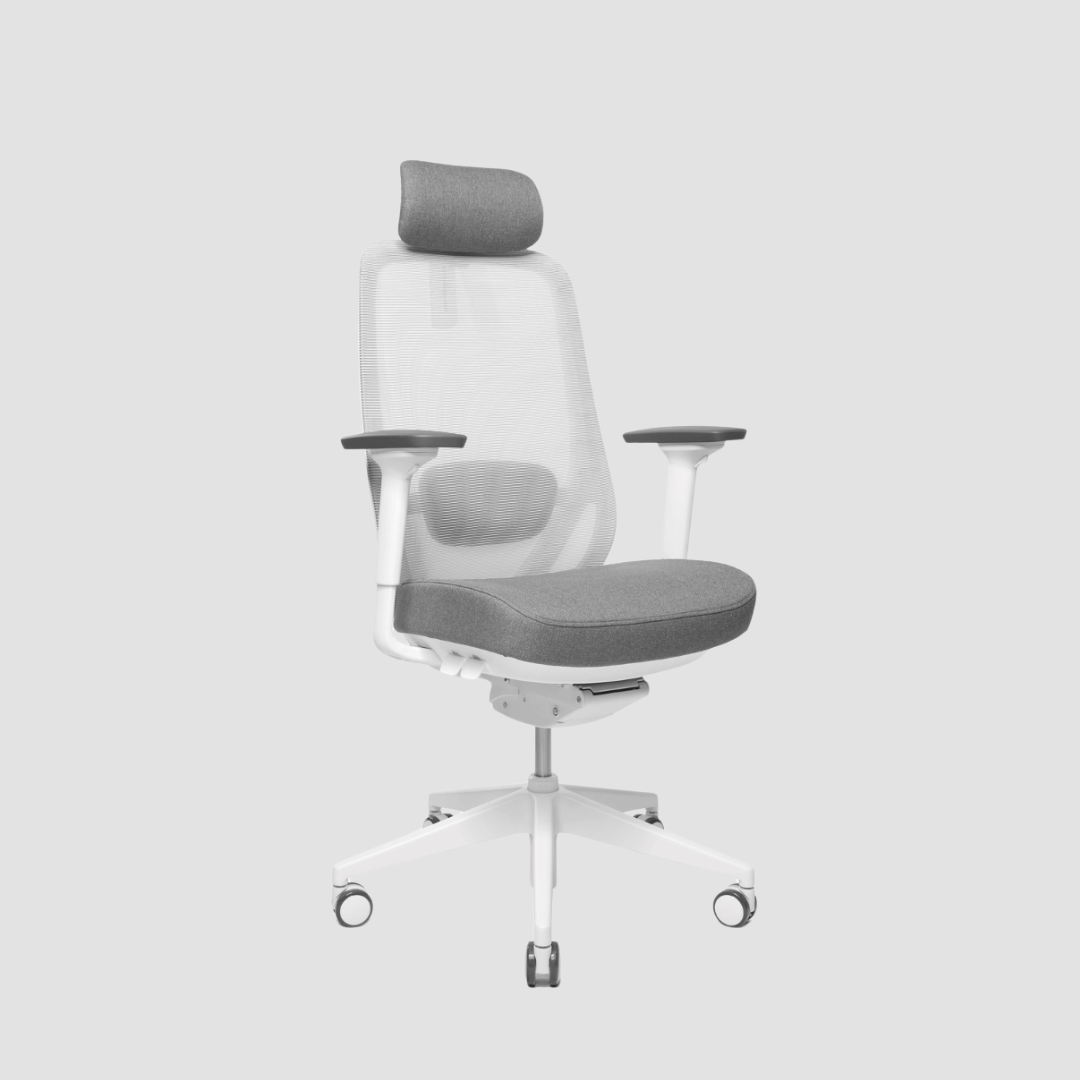
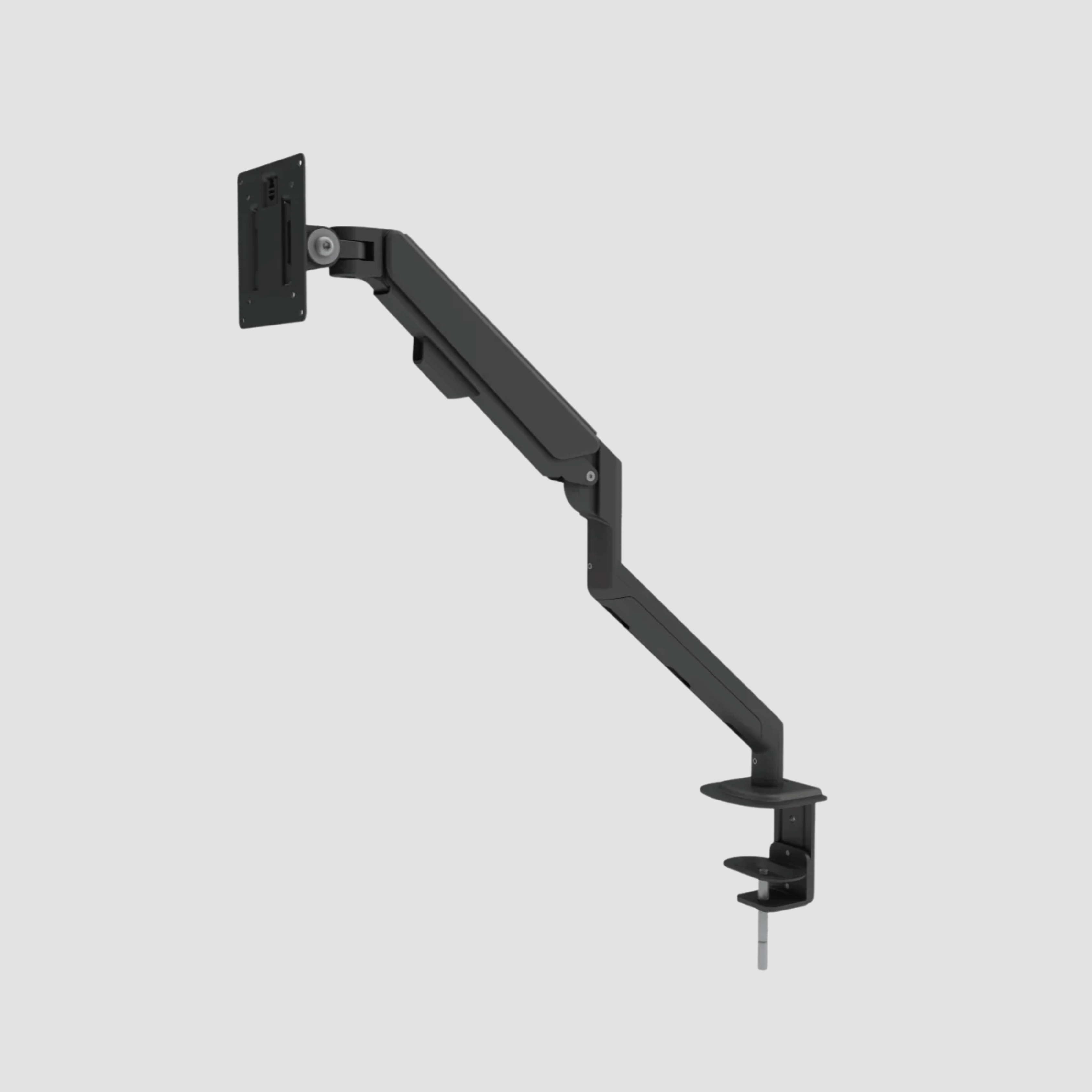
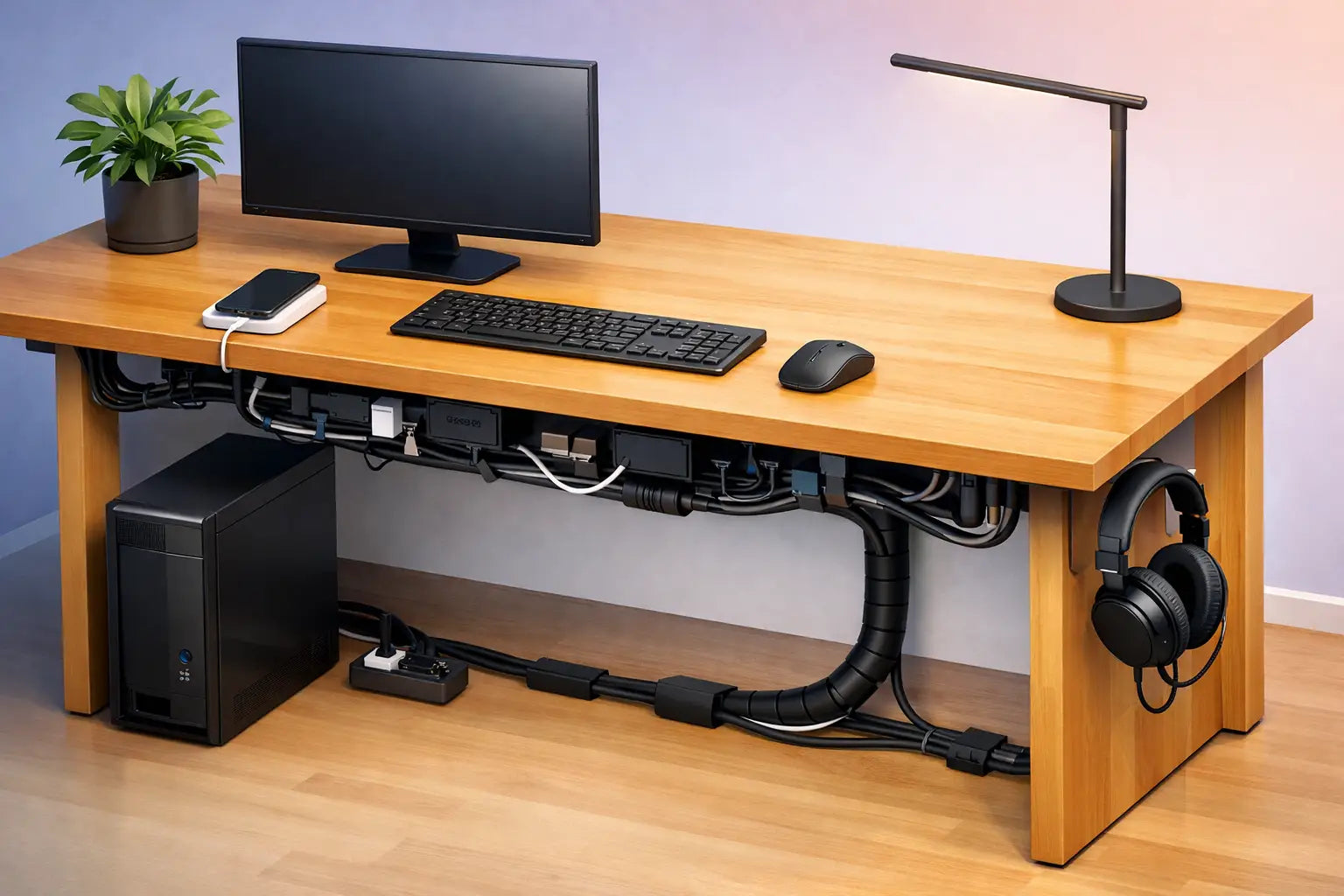
Ein Stehpult entfaltet seine Vorteile erst dann voll, wenn auch der übrige Arbeitsbereich darauf abgestimmt ist. Ein ergonomischer Stuhl ist nach wie vor unverzichtbar, da man einen Großteil des Tages weiterhin im Sitzen verbringt. Mit einem Monitorarm lässt sich der Bildschirm auf eine geeignetere Höhe bringen und wertvoller Platz auf dem Schreibtisch freimachen. Eine durchdachte Kabelführung sorgt für einen aufgeräumten Schreibtisch und verhindert, dass herumhängende Kabel das Gesamtbild stören.
Es gibt noch ein kleines, aber wichtiges praktisches Detail: Schuhe und Bodenbelag. Langes Stehen auf einem harten Untergrund kann anstrengend sein, besonders wenn man noch nicht daran gewöhnt ist. Eine stützende Bodenmatte, bequeme Schuhe oder einfach kürzere Stehphasen können den Übergang deutlich angenehmer gestalten.
Fangen Sie mit kleinen Veränderungen an. Stehen Sie beim Telefonieren auf. Stehen Sie auf, wenn Sie eine neue Aufgabe beginnen. Passen Sie Ihre Haltung im Laufe des Tages je nach körperlichem Befinden an. Es gibt keinen Preis dafür, am längsten aufrecht zu bleiben. Eine gute Arbeitshaltung ist eine, die Sie ohne Anstrengung beibehalten können.
Wie man entscheidet, ob sich die Investition lohnt
Fragen Sie sich, wie oft Sie Ihren Schreibtisch nutzen und welche Rolle er über die Arbeit hinaus spielt. Wenn er das Herzstück Ihres täglichen Homeoffice ist, kann ein höhenverstellbarer Schreibtisch zu den am häufigsten genutzten Möbelstücken in Ihrem Haushalt gehören. Daher sind Komfort, Stabilität und Materialqualität hier von größerer Bedeutung als beispielsweise bei einem Beistelltisch.
Berücksichtigen Sie auch die Lebensdauer. Ein hochwertiger Schreibtisch kostet zwar zunächst mehr, aber ein stabiles Gestell und eine Tischplatte aus massiver Eiche begleiten Sie durch neue Jobs, neue Wohnungen und den technologischen Wandel. Er lässt sich reparieren, auffrischen und neu gestalten, anstatt ihn wegzuwerfen, wenn sich der Raum verändert.
Überlegen Sie sich abschließend, welche Atmosphäre der Arbeitsbereich ausstrahlen soll. Die effektivsten Heimbüros sind keine sterilen Kopien von Büroumgebungen. Es sind Orte, an denen genug Ordnung herrscht, um sich konzentrieren zu können, genug Komfort, um sich wohlzufühlen, und genug Charakter, damit es sich lohnt, sich an die Arbeit zu machen.
Ein Stehpult hat seinen Platz verdient, wenn es Sie dazu anregt, sich zu bewegen, Ihre tatsächliche Arbeitsweise unterstützt und dem Raum eine dauerhafte Note verleiht. Wählen Sie ein Modell mit einem stabilen Gestell, einer Arbeitsfläche, die Sie wirklich jeden Tag nutzen möchten, und der stillen Gewissheit, dass es auch lange nach der ersten Woche im Stehen noch nützlich sein wird.

Hinterlasse einen Kommentar
Diese Website ist durch hCaptcha geschützt und es gelten die allgemeinen Geschäftsbedingungen und Datenschutzbestimmungen von hCaptcha.