


A beautifully made standing desk changes more than the height of your work surface. It invites a different rhythm: sit for focused tasks, stand for calls, move before stiffness settles in. The office chair versus active stool decision belongs in that rhythm. Neither is automatically better. The right choice depends on how you work, how long you sit, and whether your workspace is designed to support movement rather than hold you in one position.
For a considered home office, seating should feel as intentional as the desk beneath your hands. It must support your body through long stretches of concentration while fitting the visual calm of the room. That calls for more than chasing the latest ergonomic trend.
Office Chair Versus Active Stool: The Essential Difference
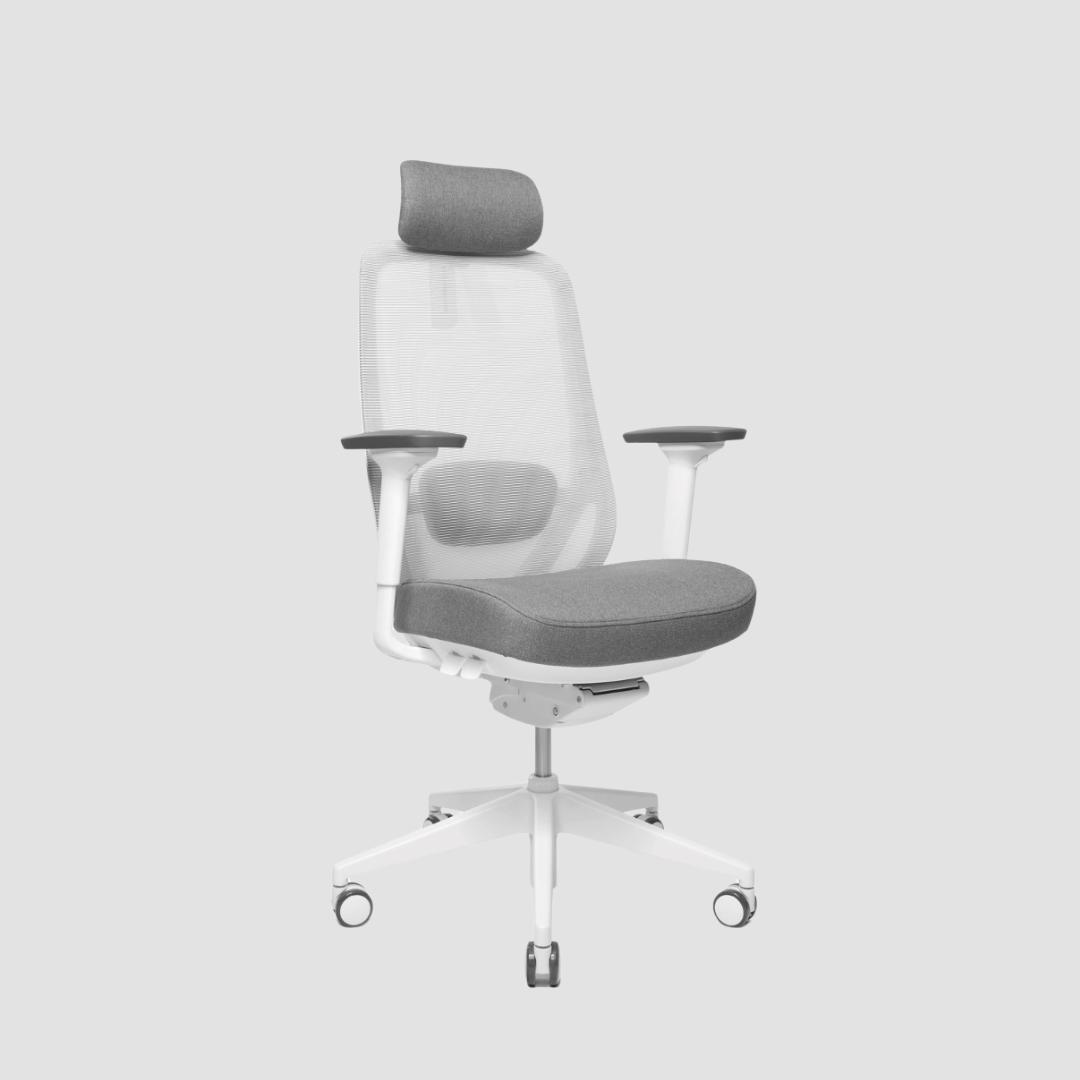
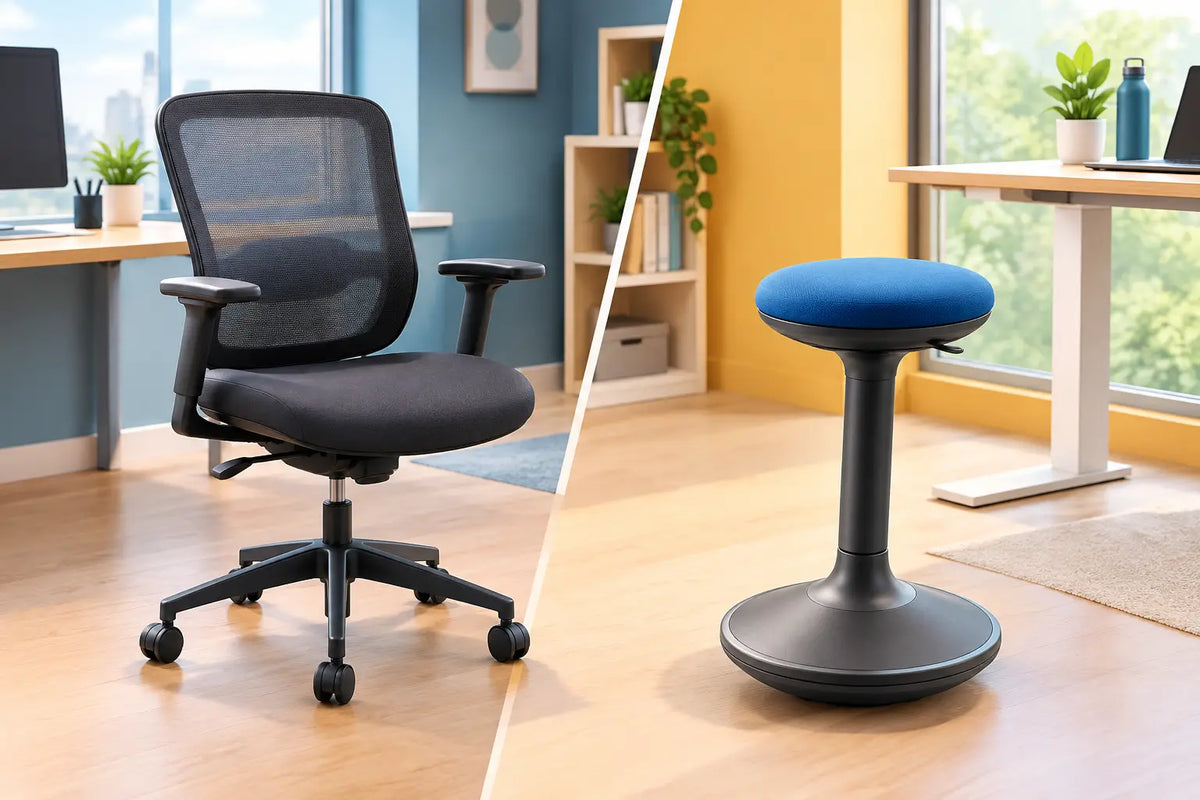
An ergonomic office chair is designed for sustained seated work. Its backrest, lumbar support, armrests and adjustable seat height aim to reduce strain when you need to remain settled for an extended period. A well-chosen chair gives the body a reliable base, especially during detailed work that demands concentration: writing, illustration, financial work, coding or long meetings.
An active stool takes a different approach. Usually backless and more compact, it encourages small, natural shifts in position. Many designs have a rounded or slightly unstable base, allowing the pelvis to tilt and the core to remain gently engaged. Rather than asking the body to stay still, it makes movement part of sitting.
The distinction is not simply comfort versus activity. It is sustained support versus dynamic support. A chair is generally the stronger primary seat for full working days. An active stool is often an excellent companion to a height-adjustable desk, particularly for shorter sitting sessions and frequent transitions between sitting and standing.
Why Static Sitting Is the Real Problem
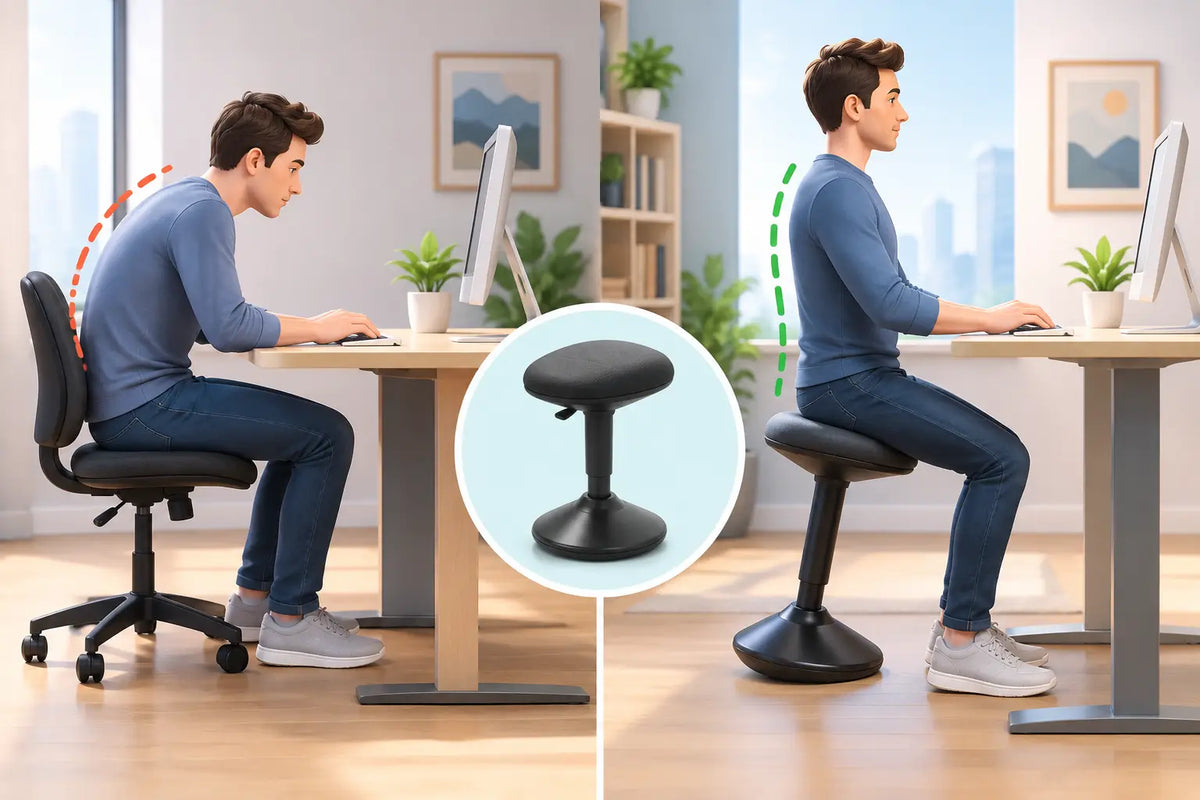
No chair, however finely engineered, turns eight uninterrupted hours of sitting into a healthy habit. The issue is rarely one imperfect posture. It is staying in any posture for too long.
That is where an active stool earns its place. Its subtle movement can make you more aware of your position and less likely to sink into the same shape for an entire afternoon. It can also be easy to slide aside when you raise your desk, leaving the workspace open and uncluttered.
Still, movement should not be confused with a cure for discomfort. If a stool is too high, too low, or used for longer than your body tolerates, it can leave your lower back and hips working harder than they should. The aim is variation, not constant effort. A good workspace gives you permission to change position without making every minute feel like a workout.
When an Office Chair Is the Better Choice
Choose an office chair when your work regularly requires long, settled periods at a screen. For many professionals, this means three or more hours of seated work spread across the day, with tasks that benefit from arm and back support.
A quality chair is especially valuable if you experience lower-back fatigue, need a stable position for precise mouse and keyboard work, or tend to lose track of time while concentrating. Adjustable lumbar support can help maintain the natural curve of the lower back, while armrests can reduce load through the shoulders when set at the right height.
The adjustments matter. Your feet should rest fully on the floor or a footrest, your knees should sit roughly level with or slightly below your hips, and your shoulders should stay relaxed. Set the chair so your elbows can rest near a 90-degree angle at the desk. If the seat is too low, your hips may feel compressed. Too high, and your feet lose their foundation.
There is also a practical advantage: a chair accommodates more ways of sitting. You can lean forward to review a document, settle back during a video call, or change leg position without losing support. For a primary workstation, that flexibility is hard to replace.
The design consideration
Office chairs have a reputation for looking technical, and some do. But a well-proportioned chair in honest materials can bring softness and structure to a workspace without competing with the grain and character of solid oak. Look for a silhouette that feels considered from every angle, especially in a home office where the chair remains visible after the laptop is closed.
When an Active Stool Makes More Sense
An active stool suits people who already use a sit-stand desk as it was intended: not as a desk fixed at one height, but as a surface that changes with the day. It is particularly effective for short bursts of seated work between standing sessions.
For creative professionals, architects, makers and entrepreneurs moving between screens, sketches, calls and physical tasks, that can feel liberating. The stool is quick to approach and quick to leave. It does not ask you to settle in so deeply that standing up becomes a decision.
Its smaller footprint is another strength. In a compact Copenhagen apartment or a multi-purpose room, an active stool can tuck neatly under a desk and preserve visual space. It brings a lighter, more agile character to the workstation, which can work beautifully alongside the natural weight of a solid oak tabletop.
But be honest about your habits. If you know you spend hours editing video, studying, answering emails or taking meetings without breaks, an active stool alone may be too demanding. It is not a lesser piece of furniture. It is simply designed for a different pattern of work.
A note on balance and comfort
The subtle instability of an active stool is its defining feature, but it is not for everyone. Those recovering from injury, managing significant pain, or needing especially secure support may prefer a stable chair. If you are new to active seating, begin with 20 to 30 minute intervals. Notice how your hips, lower back and feet feel the following day, then increase gradually.
Comfort is personal. A stool that feels energising to one person may feel distracting to another. The best ergonomic choice is the one you will use consistently and adjust thoughtfully.
The Strongest Setup Often Uses Both
For many home offices, the most effective answer is not chair or stool. It is chair and stool, used with intention.
Place your chair at the desk for deep-focus work, longer calls and days when you need dependable support. Keep an active stool nearby for quick tasks, informal meetings or periods when you want to sit without becoming static. Then raise the desk for standing intervals. This creates a workspace that responds to your body rather than asking your body to adapt to one piece of furniture.
A simple working rhythm might be to begin standing while reviewing priorities, sit in the chair for a demanding task, use the stool for a short call, then stand again before lunch. There is no universal timer that suits every body. The useful habit is changing position before discomfort becomes the reminder.
This approach also gives each item a clear role. The office chair delivers support and endurance. The active stool keeps the space mobile. The height-adjustable desk connects the two, making posture change easy enough to happen naturally.
How to Choose for Your Desk Height and Body
Start with the desk, not the seat. At your seated working height, the tabletop should allow relaxed shoulders and forearms that are close to level with the floor. A fixed desk can limit your seating options, while a height-adjustable desk lets you set both chair and stool positions more precisely.
With an office chair, check seat depth as well as height. You should be able to sit back comfortably while leaving a small gap between the edge of the seat and the back of your knees. With an active stool, focus on a height range that allows your hips to sit slightly higher than your knees and your feet to stay firmly planted.
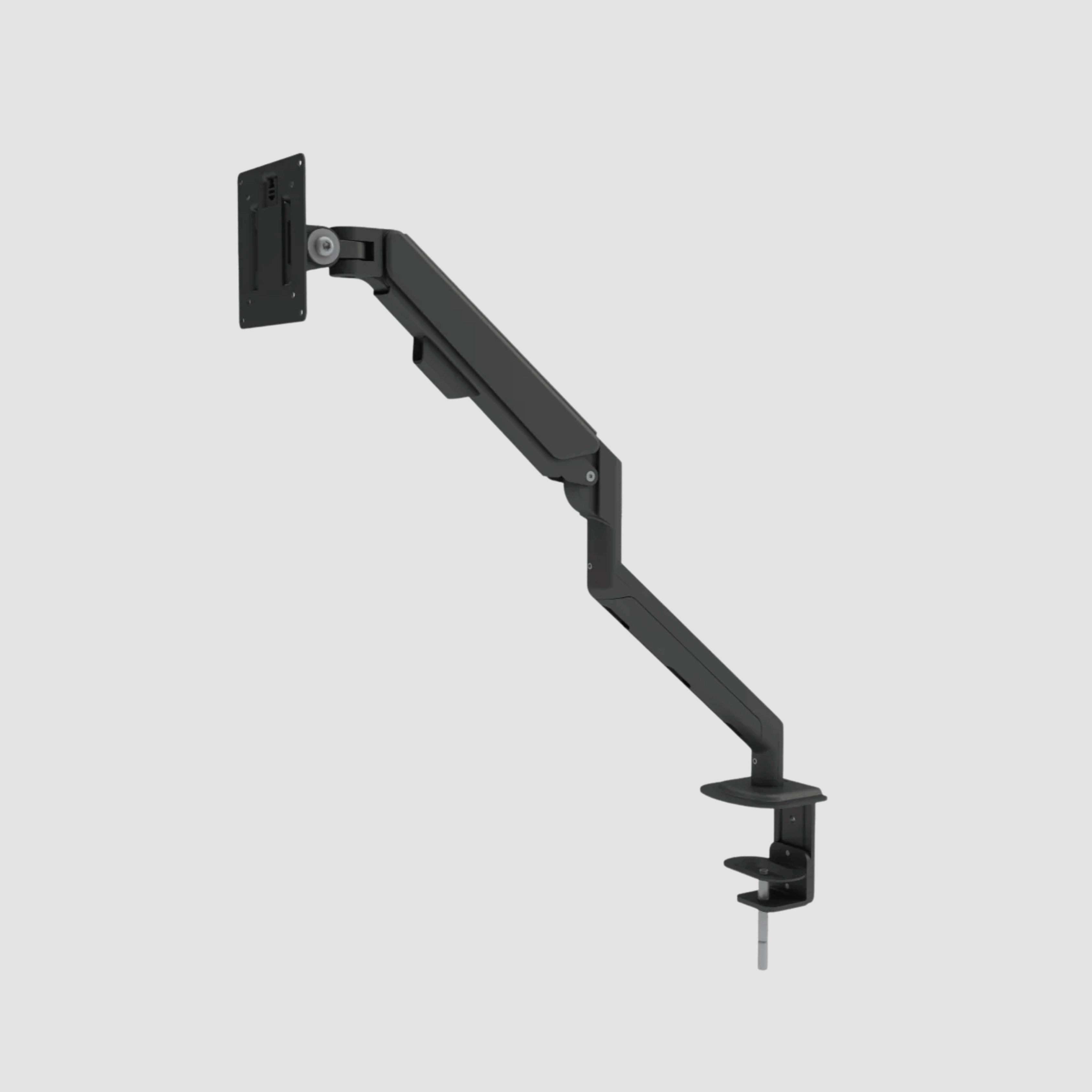
Monitor placement matters just as much. A well-adjusted seat cannot compensate for a screen that forces your neck downward all day. Position the top of the display around eye level, or slightly below, and keep it at a comfortable viewing distance. A monitor arm can be particularly useful when different people share a workspace or when you move between sitting and standing.
Finally, consider the floor. Castors roll best on an appropriate surface, while a stool with a rounded base needs enough grip to feel secure. A quality floor mat or carefully chosen rug can protect the room while giving your seating a more stable foundation.
Buy for the Way You Actually Work
It is tempting to choose the most visually dramatic piece or the one that promises a complete ergonomic transformation. A better question is simpler: what does your workday really look like?
If you spend most of it immersed at a screen, begin with a supportive office chair. If you already stand often and want a lighter seat for flexible work, an active stool may be the missing element. If you are building a workspace for the long term, consider both as part of a complete system rather than competing purchases.
The finest workspaces do not force a single posture or follow a passing trend. They are built with care around real routines, honest materials and furniture that gives you room to move. Choose the seat that makes your next change of position feel easy.

Dejar un comentario
Este sitio está protegido por hCaptcha y se aplican la Política de privacidad de hCaptcha y los Términos del servicio.