



A desk tells on itself fast. After a year of daily work, cheap surfaces start to show their truth - swelling edges, wobble in the frame, a finish that looked clean online but feels flat and tired in real life. That is exactly why european made office furniture keeps earning attention from buyers who want more than a short-term fix. It is not only about where a desk or chair is produced. It is about what standards shaped it, what materials went into it, and how it will feel after thousands of hours of use.
For design-conscious professionals and home office buyers, that difference matters. Workspace furniture sits at the intersection of performance and atmosphere. It has to support your posture at 9 in the morning, carry your equipment through the day, and still belong visually in your home when work ends. Furniture that is built with care tends to do all three better.
What european made office furniture usually gets right
The strongest case for european made office furniture is rarely a single feature. It is the combination of material quality, production discipline, and design maturity. You often see a clearer commitment to solid wood, steel, durable textiles, and repairable parts rather than thin decorative layers over engineered cores.
That does not mean every piece made in Europe is automatically superior. There are excellent manufacturers elsewhere, and there are mediocre products made on this continent too. But when a brand is serious about European production, it often comes with tighter control over sourcing, assembly, and finish quality. For buyers, that translates into fewer compromises you only notice after delivery.
There is also a design advantage. European furniture traditions, especially in the Nordic and Central European space, have long valued proportion, restraint, and function. In office furniture, that means cleaner silhouettes, calmer materials, and products that work harder visually without demanding attention. A standing desk in solid oak, for example, does not need extra styling tricks. The material carries the room.
Materials matter more than most buyers think
If you spend full working weeks at your desk, the top surface, frame, and points of contact shape your experience more than any spec sheet headline. This is where premium European manufacturing often separates itself from mass-market alternatives.
Solid wood is a good example. A real oak desktop has weight, grain variation, warmth, and a surface character that laminate cannot imitate convincingly. It changes subtly with light, ages with dignity, and feels substantial every time you sit down to work. That tactile quality is not a luxury in the superficial sense. It affects how grounded and permanent your workspace feels.
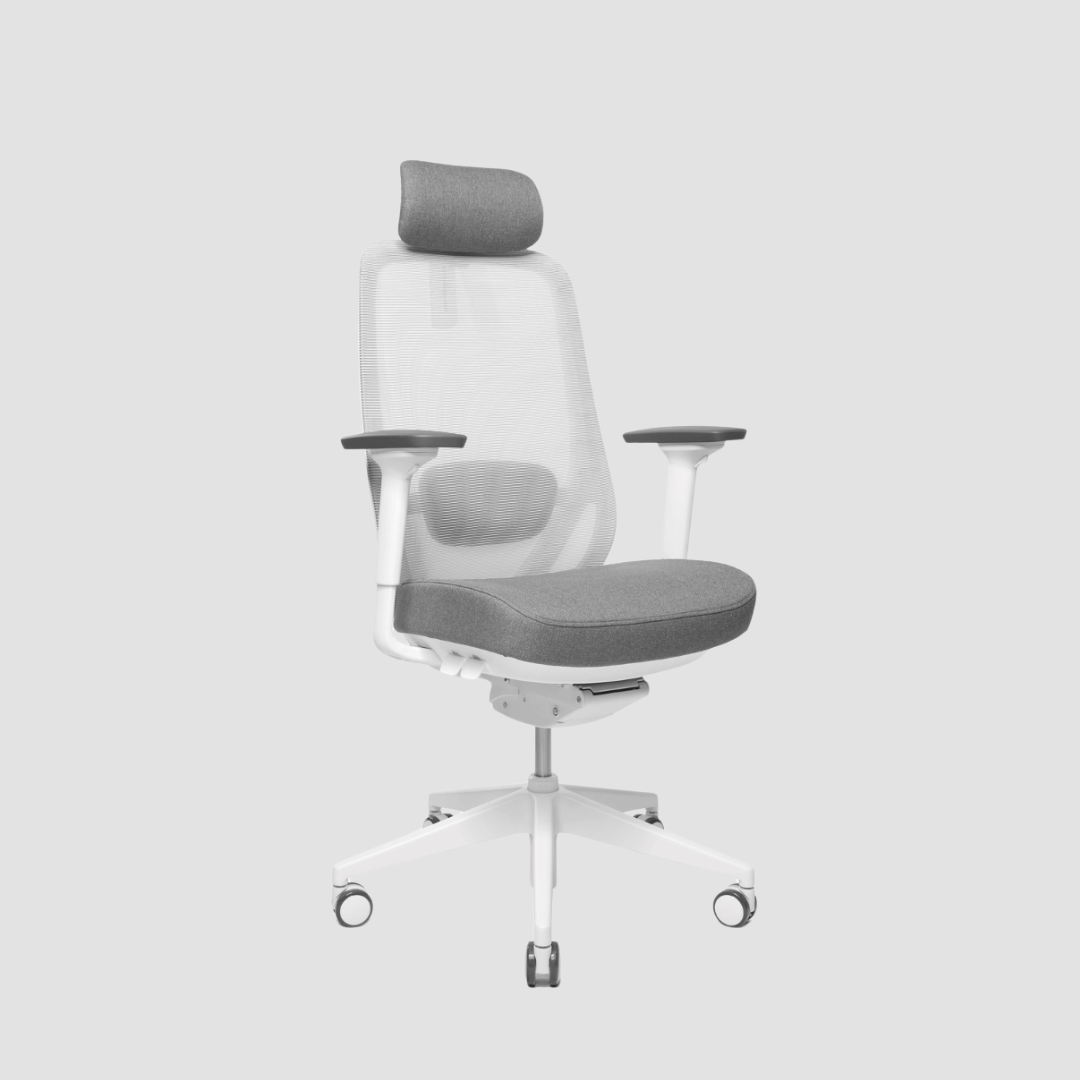
The same applies to steel frames and ergonomic components. A height-adjustable desk should move smoothly, stay stable at standing height, and hold its alignment over time. A chair should support movement rather than force a static posture. Better materials tend to produce quieter mechanics, stronger joints, and less frustration in everyday use.
There is a cost trade-off here, of course. Solid oak and precision steel are not the cheapest route to market. But if the alternative is replacing chipped tops, loose legs, or underperforming mechanisms after a short cycle, the lower entry price starts to look less attractive.
European craftsmanship is not just a story
Craftsmanship can sound like marketing until you see where it changes the product. You notice it in the edge finish of a tabletop, the consistency of the oil treatment, the way components fit together, and the confidence of the final assembly. These details are easy to overlook on a product page and impossible to ignore once the furniture is in your home.
Hand-finished wood surfaces are a good case in point. When oak is properly worked and treated, the grain stays visible, the touch stays natural, and the surface gains protection without losing character. That balance is difficult to achieve with rushed production or cost-first manufacturing.
European production also tends to make communication around craftsmanship more credible. Buyers increasingly want to know not just what a product looks like, but how it was made. A shorter, more transparent production chain creates trust. If a brand can speak clearly about the timber, the workshop standards, and the finishing process, it gives the buyer something solid to evaluate.
For a premium workspace, that clarity matters. Furniture should not feel anonymous. It should feel considered.
Why it works especially well in the home office
The home office changed the buying criteria for a lot of people. Furniture now has to live in more visible, more personal spaces. The old model of purely functional office equipment no longer fits when your desk shares square metres with living areas, bedrooms, or carefully designed interiors.
This is one of the most practical reasons to choose european made office furniture. Many European brands understand how to combine ergonomics with residential design language. The best pieces perform like serious work tools while still feeling appropriate in a home.
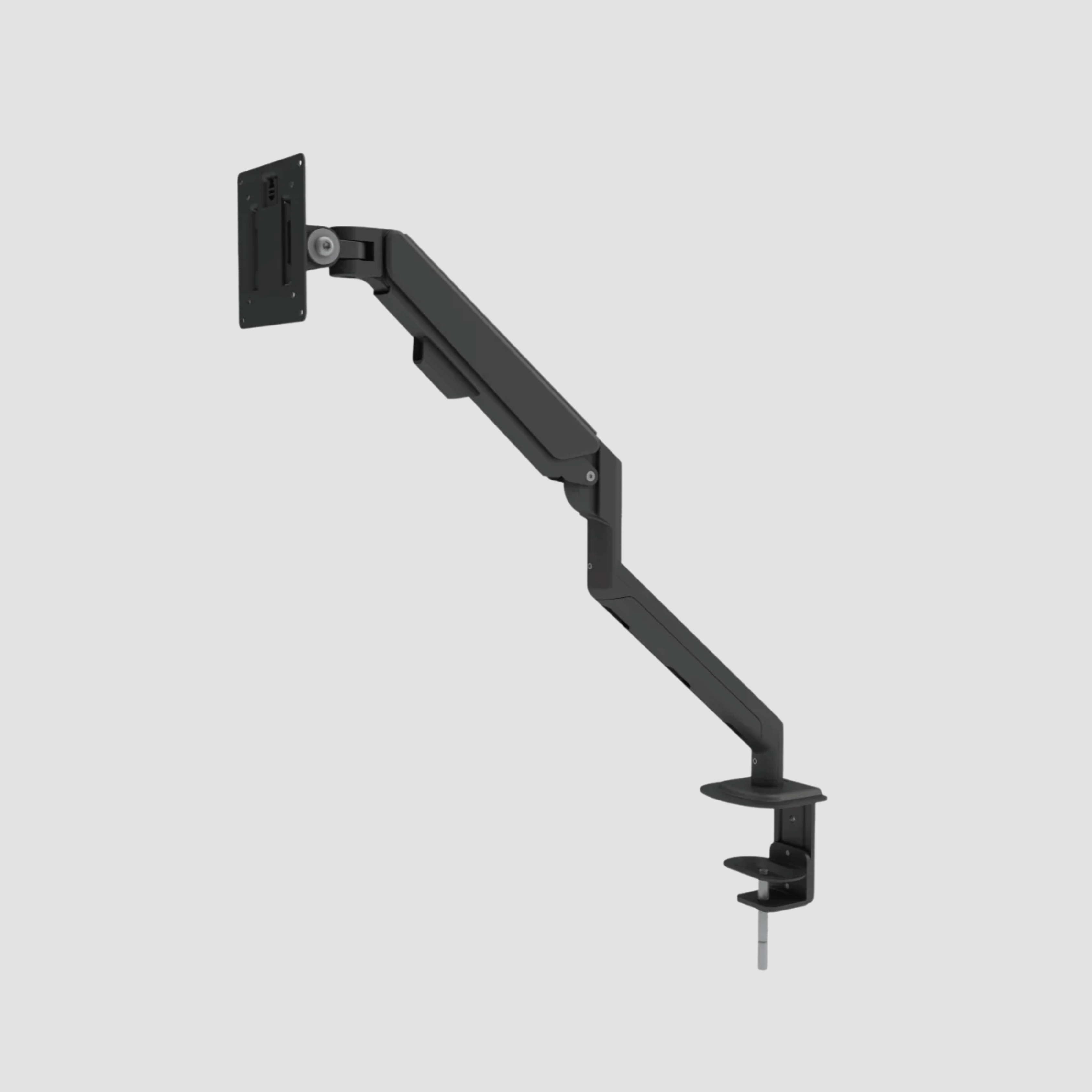
A standing desk with a thick oak top and a refined steel frame can support monitors, cables, and long workdays without making the room feel corporate. Matching storage, monitor arms, and floor protection can complete the setup without visual clutter. When materials and finishes are coherent, the whole workspace feels calmer. That has an effect on focus.
There is also a psychological benefit in using furniture that feels intentional. A workspace built from honest materials often encourages better habits. You are more likely to keep it organised, adjust it properly, and treat it as a place for real work rather than a temporary corner.
The sustainability question needs honesty
European manufacturing is often associated with sustainability, and there is truth in that, but it deserves a more precise conversation. A product is not sustainable simply because it was made in Europe. Real sustainability comes from durability, responsible material choices, repairability, and a product lifespan long enough to justify its footprint.
That is where high-quality office furniture can make a serious case for itself. A desk built from solid European oak and steel, designed to last for many years, is fundamentally different from a disposable product built around short replacement cycles. Longevity is not a vague virtue. It reduces waste, lowers repeat consumption, and usually delivers better value over time.
Still, buyers should look past easy claims. Ask whether the materials are real, whether components can be serviced or replaced, and whether the finish is meant to age well. A premium product should not be afraid of those questions.
How to judge european made office furniture before you buy
The smartest buyers do not stop at country-of-origin messaging. They look for signs of substance. If a desk is described as oak, is it solid oak or veneer? If a frame is electric, is it stable at full height and built for daily use? If craftsmanship is central to the brand, can you see that in the finish, the detailing, and the consistency across the collection?
It also helps to think in systems rather than single pieces. A desk rarely works alone. Chair support, monitor height, cable handling, storage, and under-desk clearance all influence comfort. Brands that build coordinated workspace furniture usually deliver a better result because the pieces are designed to work together, not just to sell independently.
This is where a maker-led approach has real value. When a brand understands wood, proportion, and ergonomic use in equal measure, the outcome feels more resolved. At OAKO Denmark, that intersection is central - where oak meets technology, and where natural material is not treated as decoration but as the foundation of the workspace.
Paying more can be the practical choice
Premium furniture is often framed as an indulgence. In reality, for many professionals, it is a tool investment. If you work from home several days a week or run your business from a dedicated workspace, the furniture underpins your comfort, output, and daily environment.
That does not mean everyone needs the same level of specification. If your setup is temporary or lightly used, a simpler solution may be enough. But if you want a desk that anchors the room, supports ergonomics, and still looks right years from now, better manufacturing starts to make practical sense.
The real value of european made office furniture is that it asks you to buy with a longer horizon. Not for trend, not for quick convenience, but for permanence. In a category crowded with imitations of quality, that is still a meaningful difference.
Choose the piece that will keep earning its place every day - in the way it works, in the way it wears, and in the way it makes your workspace feel.



Leave a comment
This site is protected by hCaptcha and the hCaptcha Privacy Policy and Terms of Service apply.