



A desk should not make you choose between a beautiful workspace and a body that feels good at 16:00. Manual electric desks are designed for people who want control over their working position without turning the desk into another complicated piece of technology. Press a button, change height, and return to the work that matters.
The phrase can be slightly confusing, though. A manually operated electric desk is not the same as a hand-crank desk. It uses an electric motor, but you control the movement directly through a handset rather than relying on automatic schedules, app controls or elaborate programming. For many home offices and professional workspaces, that is exactly the right balance.
What “manual electric desks” actually means
In most cases, manual electric desks refers to a height-adjustable desk with a simple up-and-down control. The motors do the lifting; you decide when to move. Some models also include saved height positions, but the core experience remains straightforward and tactile: a deliberate adjustment when you are ready to sit or stand.
This differs from a manual standing desk, which is raised with a crank handle. Crank desks can be dependable and often cost less, but they demand more effort and take longer to adjust. That small interruption can matter. If changing position feels inconvenient, it is easy to remain seated for hours.
An electric desk removes that friction. It makes movement part of the natural rhythm of a working day, whether you are answering emails, reviewing drawings, taking a video call or returning to concentrated work. The best system is rarely the one with the most features. It is the one you will genuinely use.
Manual electric desks: simple control, better habits
Standing all day is not the goal. Neither is sitting perfectly still. A considered workspace makes it easier to alternate between the two, giving your posture and attention a change of pace without disrupting your focus.
A manually controlled electric desk suits people who prefer an intentional routine. You may raise the desk for your morning planning, lower it for detailed keyboard work, and stand again during afternoon calls. There is no need for an app reminding you to move at an inconvenient moment. Your desk responds when you do.
This simplicity also has a visual advantage. A clean handset is discreet, particularly in a home office where the desk is part of the room rather than a piece of anonymous equipment. The workspace should feel calm. Technology should support the furniture, not dominate it.
That said, memory settings are useful in shared workspaces or for anyone who already knows their ideal sitting and standing heights. They are a convenience rather than a necessity. If two people use the same desk, saved positions can remove repeated adjustments. If the desk is yours alone, basic manual controls may be all you need.
The frame matters as much as the motor
It is tempting to judge an electric desk by its lifting speed or the number of buttons on its controller. Those details matter, but they are not where lasting quality begins. The frame is the working foundation: it carries the top, monitors, laptop, arms, cables and the daily weight of how you work.
Look for a steel frame with a stable, well-proportioned base and dual motors. Dual-motor systems distribute the lifting work across both legs, which is particularly valuable with a substantial solid wood tabletop or a setup with multiple screens. The movement should feel steady rather than hurried, and the desk should remain composed at standing height.
Stability deserves a proper test in your mind before purchase. Consider how you work at full height. Do you type heavily? Use a monitor arm? Lean forward while sketching or editing? A desk that feels solid when lowered but sways when raised will quickly become distracting. A quality frame is not an accessory to the desk. It is part of the desk’s character.
Noise also shapes the experience. A quiet lift allows you to change position during a meeting or early morning work session without drawing attention. No electric mechanism is silent, but a refined desk should move with a low, controlled sound rather than a harsh mechanical interruption.
Why the tabletop changes the whole experience
A height-adjustable frame can be fitted with almost any surface. That does not mean every surface belongs in a workspace built for the long term.
Laminate and chipboard tops are common because they are inexpensive and easy to produce at scale. They can be practical, especially for temporary setups. But they often feel exactly as temporary as they are. Corners can chip, surfaces can mark, and the desk rarely gains character with use.
Solid oak offers a different proposition. It has weight, warmth and a grain that makes each desktop individual. A real oak top changes the relationship between person and workspace. It is not simply a platform for equipment; it becomes a material presence in the room, softening the technical feel of screens, chargers and steel.
There is a practical side to this choice, too. A thick solid oak top gives monitor arms, desk accessories and daily work a more substantial foundation. It can be refinished when life leaves its marks, rather than replaced when the surface starts to look tired. With proper care, oak develops a richer patina over time.
Natural timber does ask for honesty. Wood responds gently to changes in humidity and temperature, particularly through Danish winters and heated indoor spaces. This is not a flaw. It is the behaviour of a living material. Good construction allows the timber to move naturally while keeping the desk stable and beautiful year after year.
Choose the right size before choosing features
The ideal desk height is only useful when the desk also gives you enough working space. Before comparing control panels, consider what must live on the surface every day. A laptop setup has different needs from a dual-monitor workstation, while a creative professional may need room for a keyboard, sketchbook, camera or sample materials.
A deeper tabletop often makes the greatest difference to comfort because it lets you position a monitor at a more comfortable viewing distance. Width should be guided by your tools and your room. In a compact Copenhagen apartment, a well-proportioned desk can create a generous workspace without overwhelming the room. In a dedicated office, a wider oak surface can anchor the entire interior.
Think about what sits beneath the desk as well. Drawers, cable trays and under-desk storage need sufficient clearance when the desk travels upward. A thoughtful setup keeps cables managed and leaves the lifting columns free to do their work. Nothing diminishes a beautiful desk faster than a tangle of wires hanging beneath it.
What to expect from a premium electric desk
A premium desk costs more because the materials, engineering and finish carry more substance. It should not ask you to accept a compromise between ergonomics and design. The mechanism should be capable enough for daily use, while the top should feel like furniture worth keeping for decades.
At OAKO, this principle is expressed through solid European oak paired with strong steel, dual-motor frames: where oak meets technology. The combination matters. A refined tabletop deserves a frame that can support it confidently, and an advanced frame deserves a surface with genuine depth and longevity.
When comparing desks, look beyond promotional weight limits and discount labels. Ask how the tabletop is made, where the materials come from, whether the frame feels stable at full height and whether the desk will still suit your space when your work changes. A desk is a long-term purchase because it becomes the place where much of your professional life happens.
A few practical details worth getting right
Set your sitting height so your shoulders can stay relaxed and your elbows rest near a right angle while typing. When standing, raise the surface until you can maintain that same relaxed arm position without lifting your shoulders. Your screen should sit high enough to avoid a persistent downward tilt of the neck.
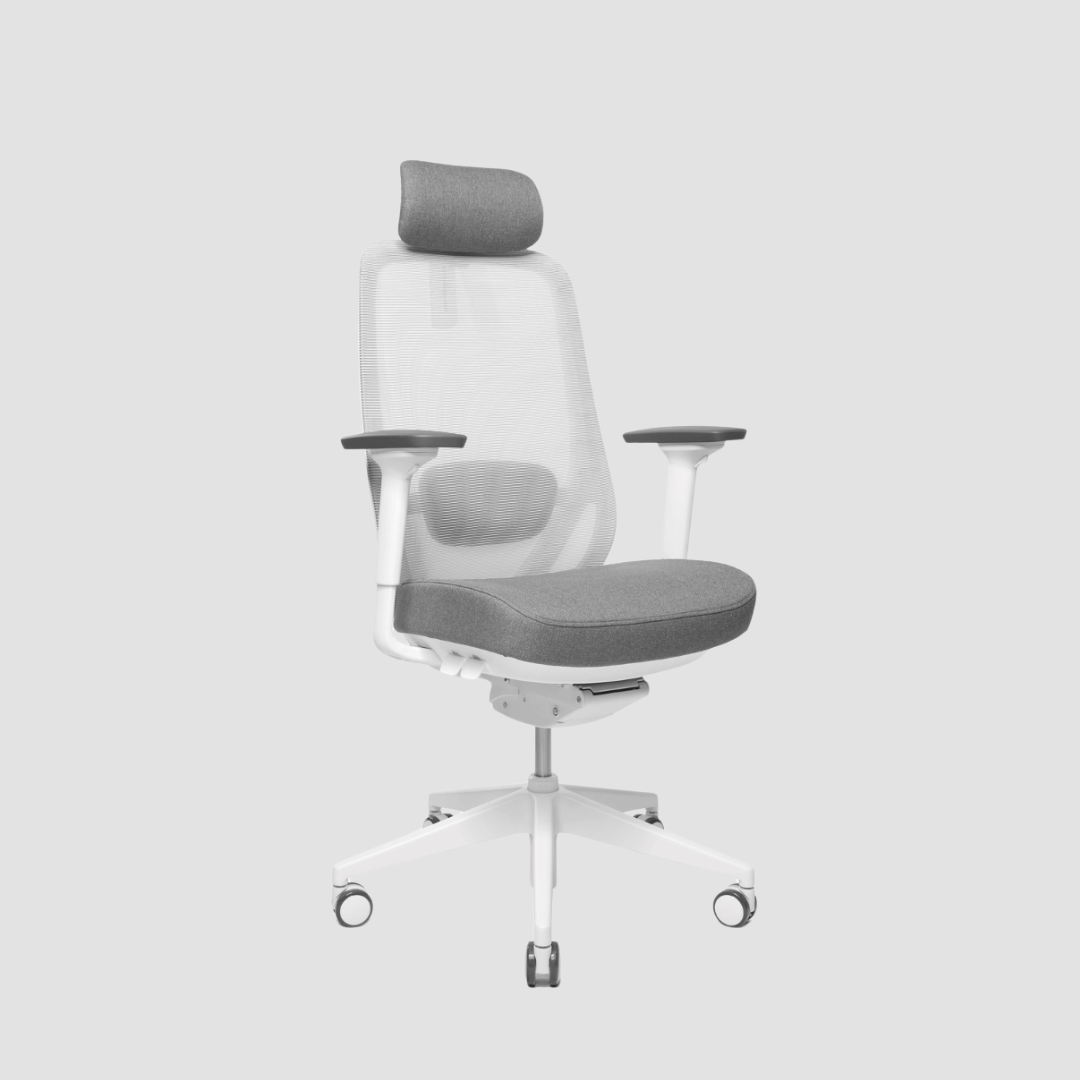
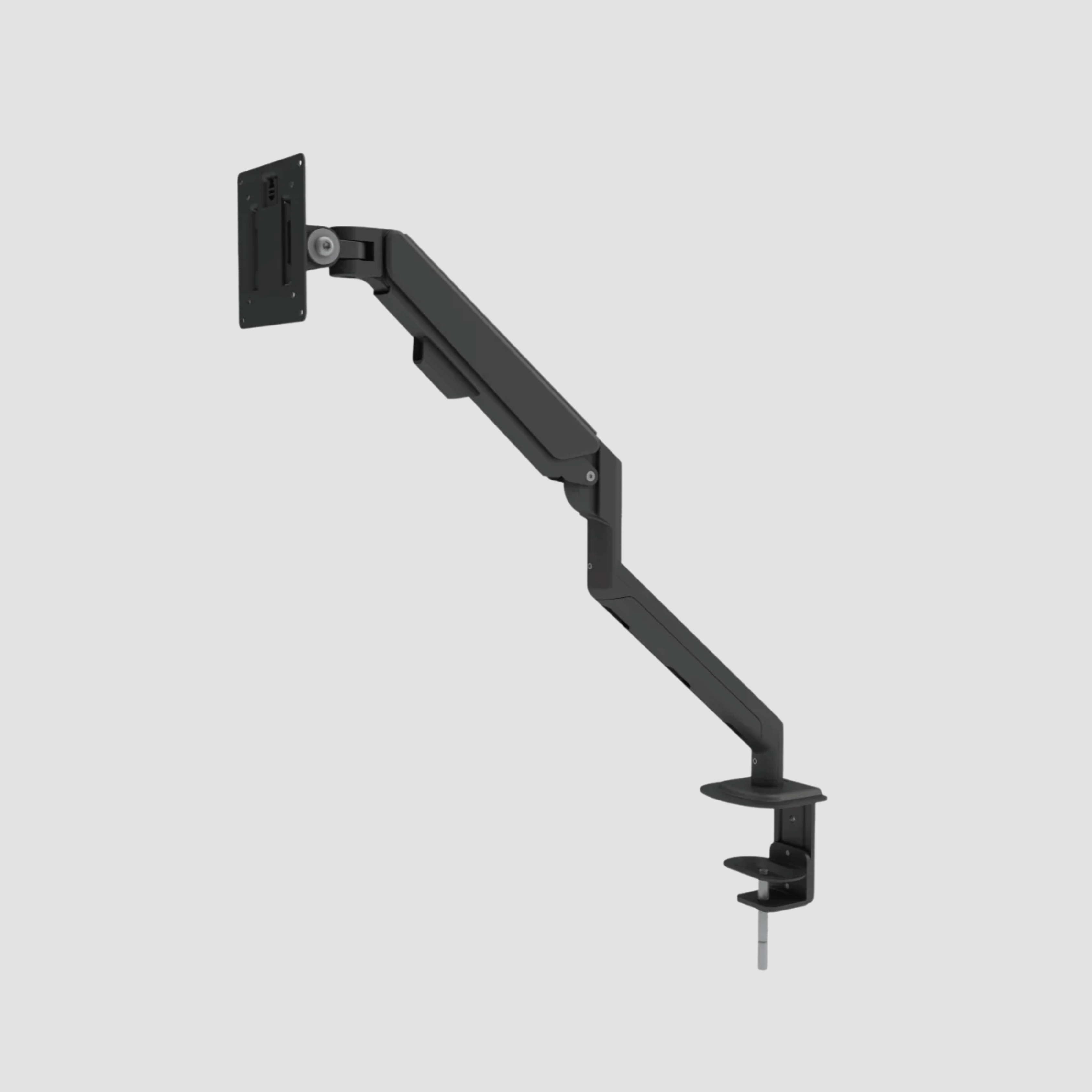
Do not expect the desk alone to solve every comfort issue. An ergonomic chair, a supportive floor mat for standing periods, a monitor arm and organised cable management all contribute to a better working environment. They also preserve the clear, considered look that made you invest in the desk in the first place.
Finally, give yourself permission to adjust often. The most useful manual electric desk is not one you raise for a single ambitious morning and then forget. It is the one that quietly invites you to move when your concentration shifts, your back asks for a change, or the next task calls for a fresh position. Choose a desk with enough quality and warmth that you will want to return to it, every working day.



Leave a comment
This site is protected by hCaptcha and the hCaptcha Privacy Policy and Terms of Service apply.