


A solid oak desk earns its character slowly: the subtle deepening of colour, the softened feel beneath your hands, the small signs of a workspace used well. Knowing how to maintain oak furniture means protecting that character without trying to make real wood behave like plastic. Oak is naturally strong, but it remains a living material. It responds to light, heat, moisture and the changing seasons inside your home.
For a desk that supports your work every day, the best care is calm, regular and considered. You do not need an arsenal of polishes or harsh cleaning products. In fact, too much treatment can be as damaging as too little.
How to Maintain Oak Furniture Day to Day
The foundation of good oak care is simple: remove dust, deal with spills promptly and avoid unnecessary moisture. Dust may seem harmless, but over time it can act as a fine abrasive, particularly on surfaces that are touched, written on or moved across daily.
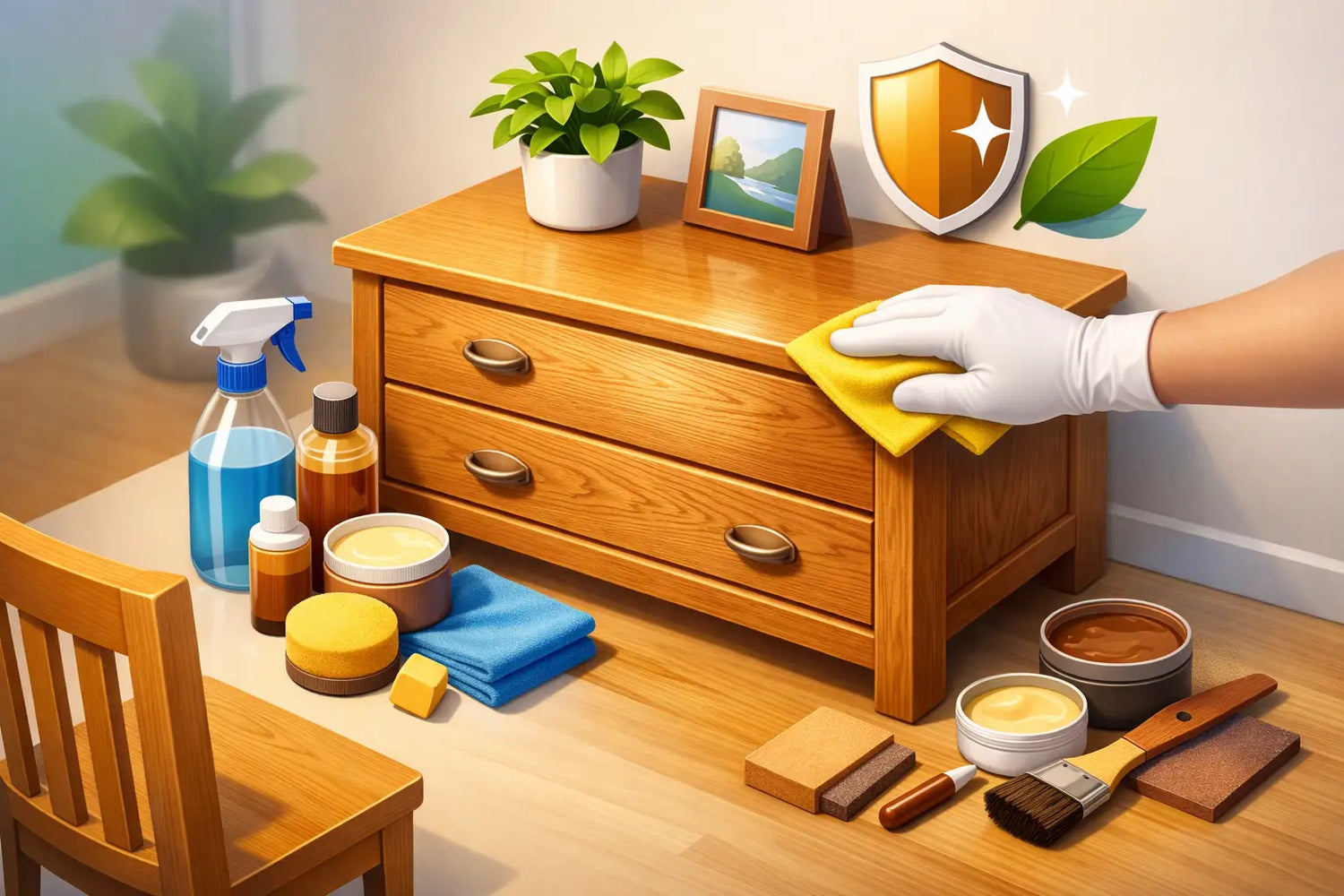
Use a soft, dry microfibre cloth for routine cleaning. Wipe with the grain rather than against it. If the surface needs more than dusting, use a cloth that is only slightly damp, then immediately wipe the desk dry with a second soft cloth. The goal is to lift dirt, not leave water sitting on the timber.
Coffee, water, food and ink are part of an active home office. Blot spills rather than rubbing them across the surface, then dry the area fully. A coaster beneath a coffee cup and a desk mat beneath a keyboard, mouse or notebook are small additions that preserve the tactile beauty of the oak where it matters most.
Avoid household sprays, glass cleaner, bleach, all-purpose cleaners and silicone-based furniture polish. These can strip natural oils, leave a residue or create an artificial shine that sits at odds with the honest grain of solid oak. The wood should feel clean and natural, not coated.
Know Your Oak Finish Before You Treat It
Not every oak tabletop should be maintained in the same way. The finish determines what the wood needs and what it can tolerate. Before applying any cleaner, oil or repair product, establish whether your furniture has an oil, lacquer or hardwax oil finish. If you are unsure, check the care guidance supplied with the piece or ask the maker.
Oiled oak
An oiled finish lets the grain remain especially present. It offers a warm, matte appearance and is easy to refresh locally when it begins to look dry. The trade-off is that it needs occasional re-oiling to maintain its resistance to marks and moisture.
Signs that an oiled oak surface needs attention include a paler or drier-looking area, water soaking in quickly rather than beading on the surface, or a slightly rough feel after cleaning. How often this happens depends on use. A heavily used desk may need a light refresh once or twice a year, while a dining cabinet in a quieter room may go longer.
Lacquered oak
Lacquer creates a protective film over the wood and usually requires less routine treatment. Clean it with a dry or lightly damp cloth, and do not apply maintenance oil unless the manufacturer specifically recommends it. Oil cannot properly penetrate a sealed surface, and the result may be streaking or a sticky finish.
A lacquered surface is practical for busy homes, but deep scratches can be harder to repair invisibly than on oiled oak. Protect it from grit, sharp objects and standing water rather than relying on polish to solve wear later.
Hardwax-oiled oak
Hardwax oil sits between these two approaches. It penetrates the timber while also forming a durable protective layer. It retains much of the natural look of oil, with useful resistance for everyday workspaces. When refreshed with a compatible product, it can be repaired in small sections rather than requiring a complete refinish.
The key word is compatible. Never assume that any wood oil belongs on any oak desk. Mixing finishes can create uneven colour, poor adhesion or patches that attract dirt.
Re-Oiling an Oak Desk With Care
When an oiled or hardwax-oiled surface genuinely needs refreshing, choose an oil designed for the existing finish and intended for interior furniture. A small test in an inconspicuous area is always worthwhile, especially on a tabletop with natural variation in the grain.
First, clean the surface and let it dry completely. If there are raised fibres, faint water marks or very light surface scratches, a gentle sanding with fine paper in the direction of the grain may be appropriate. This is not a routine step. Sanding removes material, so it should be done lightly and only where needed.
Apply a thin, even coat with a lint-free cloth or suitable pad, working with the grain. Thin coats are better than generous ones. Give the oil time to penetrate according to its instructions, then remove every trace of excess with a clean cloth. Oil left on the surface can dry unevenly and feel tacky.
Allow adequate curing time before placing monitors, desk mats or accessories back on the top. Freshly treated oak may feel dry quickly, but proper curing takes longer. Keep the room ventilated and follow the product guidance precisely.
Oil-soaked cloths need care. Lay them flat to dry outdoors or dispose of them safely in accordance with local instructions. Do not leave them crumpled in a bin, as some oils can generate heat as they cure.
Protect Oak From the Danish Indoor Climate
Denmark's changing seasons can be demanding on solid wood. Heated rooms often become dry in winter, while summer brings greater humidity and open windows. Oak expands as humidity rises and contracts when the air is dry. This movement is normal, and it is one reason well-made solid wood furniture is designed to allow the timber to move.
Aim for a stable indoor climate where possible, ideally around 40-60% relative humidity. You do not need to chase a perfect number every day, but avoiding dramatic swings helps limit gaps, cupping and stress in the wood. A humidifier may help in a very dry heated room, while regular ventilation can reduce excessive summer humidity.
Placement matters too. Keep oak furniture away from radiators, underfloor heating outlets, fireplaces and intense direct sunlight. A desk positioned beside a south-facing window may develop a richer tone on the exposed side over time. That is a natural response to light, not a defect, but rotating smaller accessories and using curtains during strong sun can help the surface age more evenly.
Prevent Marks Where Work Happens
A workspace asks more from timber than a sideboard does. Cables are pulled across surfaces, laptops give off heat, pens press into grain and water bottles appear beside electronics. The aim is not to make the desk precious. It is to use it with the same respect you would give any substantial, handcrafted material.
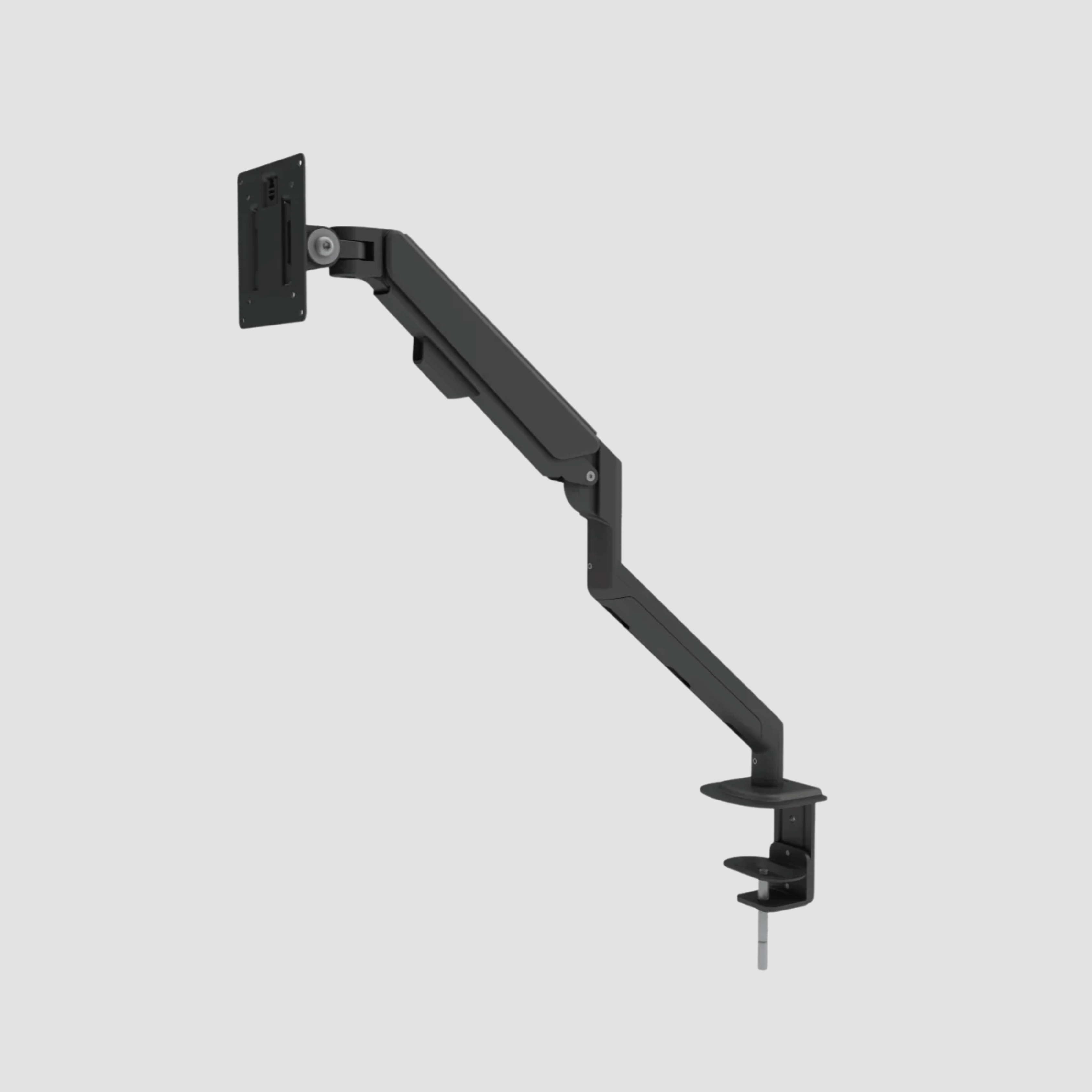
Use felt pads beneath monitor arms, speakers, lamps and storage pieces. Lift equipment instead of dragging it. If you use a laptop stand or monitor riser, check that its feet are clean and broad enough not to leave pressure marks. Avoid placing hot mugs or takeaway containers directly on the oak, even for a moment.
For height-adjustable desks, keep liquids away from control units, cable trays and frame components. Wipe the wooden top separately from the steel frame, and never spray cleaner directly near electronics. A dry cloth is usually enough for the frame, while a carefully dampened cloth is reserved for stubborn marks on the wood.
What to Do About Scratches and Stains
Small surface scratches are often less serious than they look. On an oiled finish, a very fine scratch may soften with gentle cleaning and a light refresh of compatible oil. On lacquered surfaces, do not sand or oil impulsively. A repair product matched to the finish, or professional advice for a visible area, is the safer choice.
Water rings should be addressed early. Dry the area, then allow the wood time to return to its normal moisture balance before attempting any treatment. Dark marks may indicate that moisture has moved deeper into the timber and can require more careful repair. Ink, dye and strong cleaning chemicals are similarly best handled cautiously rather than aggressively rubbed.
A little variation is part of oak's appeal. Knots, grain shifts and a gradual change in tone are evidence of a real material, not a printed imitation. At OAKO, that material honesty is central to the idea of a workspace built to last.
Your oak furniture does not need constant attention. It needs a few good habits, the right finish care and room to respond naturally to the life around it. Treat it well, and the desk that holds today's work can become one of the most settled, familiar pieces in your home for decades.



Leave a comment
This site is protected by hCaptcha and the hCaptcha Privacy Policy and Terms of Service apply.