


A workspace says a great deal before the first call begins. A thin, cluttered desk with exposed cables can make even a well-designed room feel temporary. The most meaningful standing desk trends are moving in the opposite direction: toward considered materials, calmer technology and furniture that earns its place in the home for decades rather than a single work cycle.
For design-conscious professionals, the question is no longer simply whether a desk goes up and down. It is whether the desk supports healthier movement, holds the tools of modern work and still looks right when the workday ends. That shift is changing what people expect from a premium workspace.
Standing desk trends are becoming more considered
The early standing desk market was largely functional. A motorised frame and a basic top solved an ergonomic problem, but the result often looked closer to office equipment than furniture. As home offices have become permanent rooms rather than improvised corners, expectations have matured.
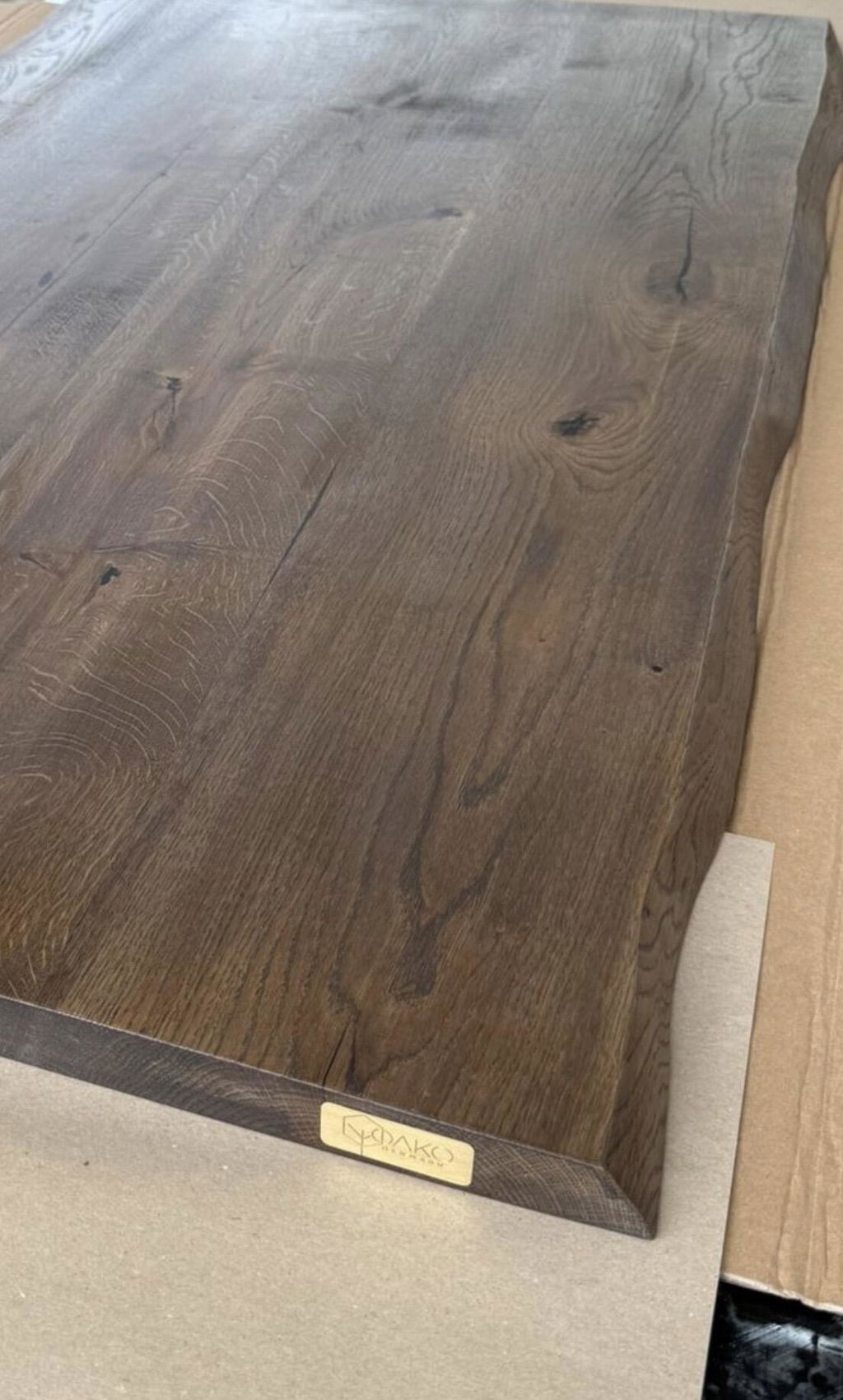
People are investing in desks that belong alongside their dining tables, shelving and lighting. They want a surface with depth, grain and presence, not a printed wood effect that reveals its limits at close range. Solid oak answers that desire particularly well. Its natural variation makes each top individual, while its weight and tactile character give the workspace a reassuring sense of permanence.
This is not only an aesthetic preference. A desk used every day is touched more than almost any other piece of furniture in the home. Real wood develops character through use and can be maintained over time. By contrast, a damaged laminate surface is often difficult to repair convincingly. The move toward honest, repairable materials reflects a broader rejection of disposable interiors.
Technology is expected to disappear into the design
A premium standing desk should feel effortless, not technical. Dual-motor frames, smooth height adjustment and programmable memory settings are increasingly regarded as the baseline for a serious workstation. What distinguishes the best setups is how quietly those features work and how little visual noise they create.
The direction is clear: fewer visible cables, cleaner control panels and frames that support a substantial tabletop without wobble. Technology should serve the desk, not dominate it. A solid oak top paired with a restrained steel frame creates that balance - warmth where the hands meet the furniture, engineering where strength and movement are required.
There is a practical trade-off. More integrated cable routing and concealed power solutions require planning before the desk is installed. That small effort is worthwhile when it prevents the familiar tangle below the tabletop and leaves space for concentration rather than constant visual distraction.
Movement is replacing the idea of standing all day
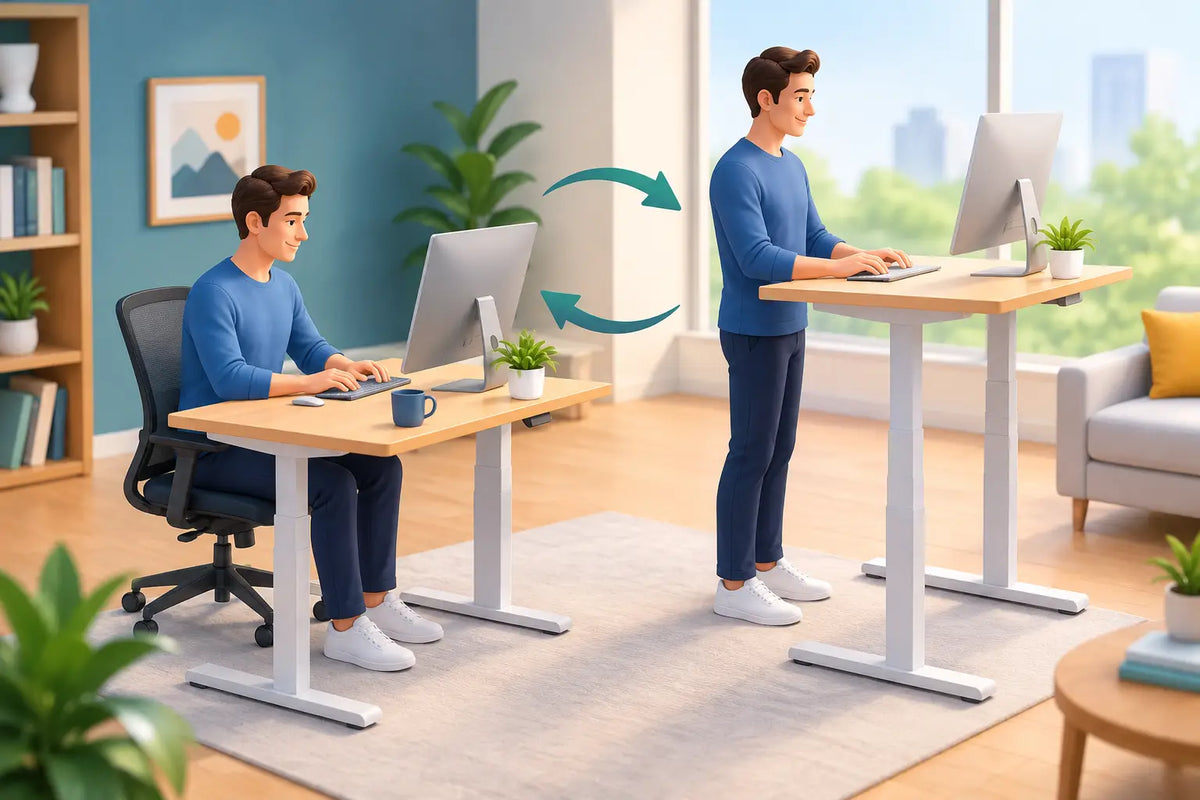
Standing desks are often marketed as if the goal is to spend eight hours upright. That is rarely the most comfortable or realistic approach. The more useful ergonomic trend is movement throughout the day: sitting for focused work, standing for short tasks or calls, and changing position before discomfort sets in.
This makes adjustability more valuable than any single “perfect” desk height. A desk should move easily enough that the owner actually uses it. Memory settings help here, especially in shared spaces or for people who switch regularly between seated and standing work.
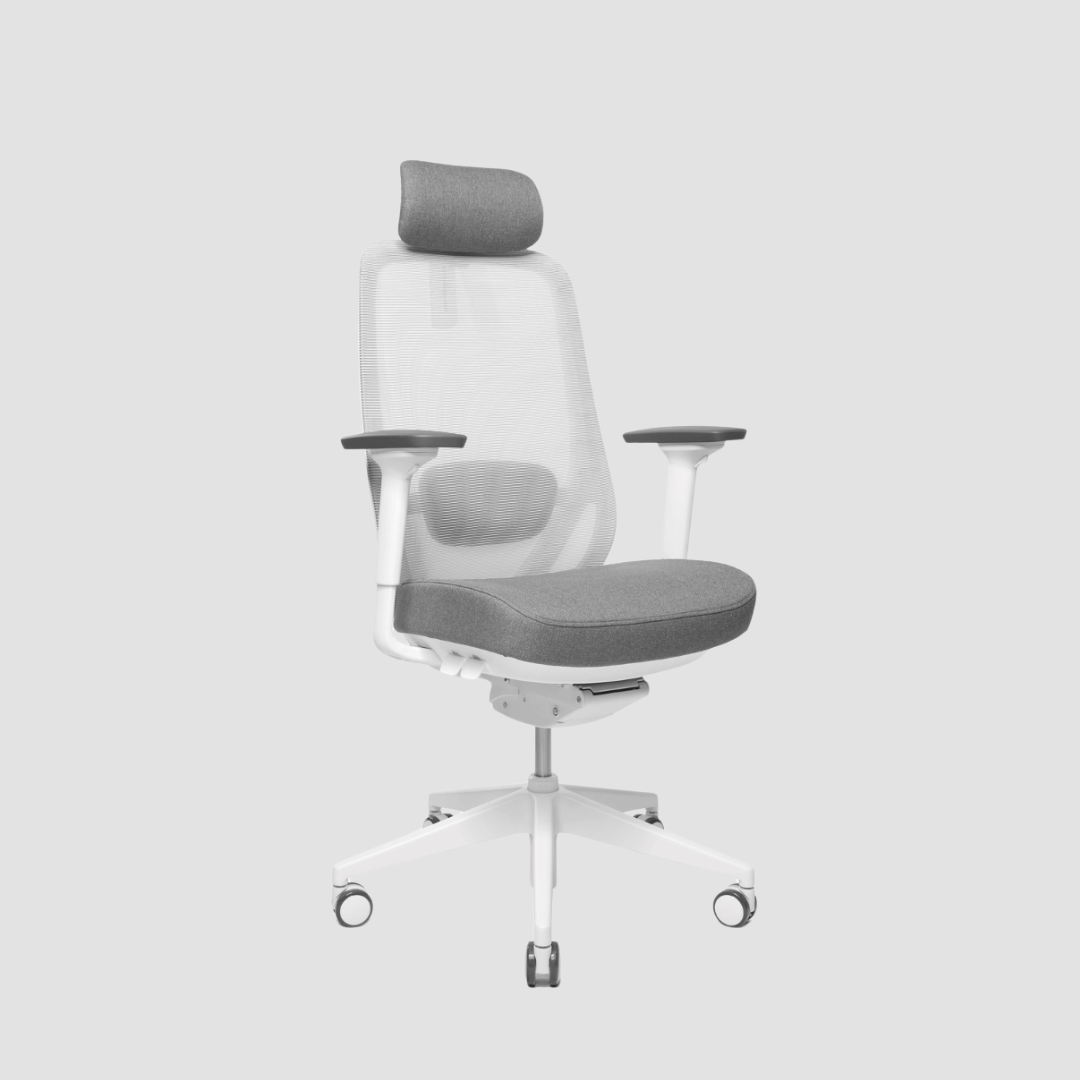
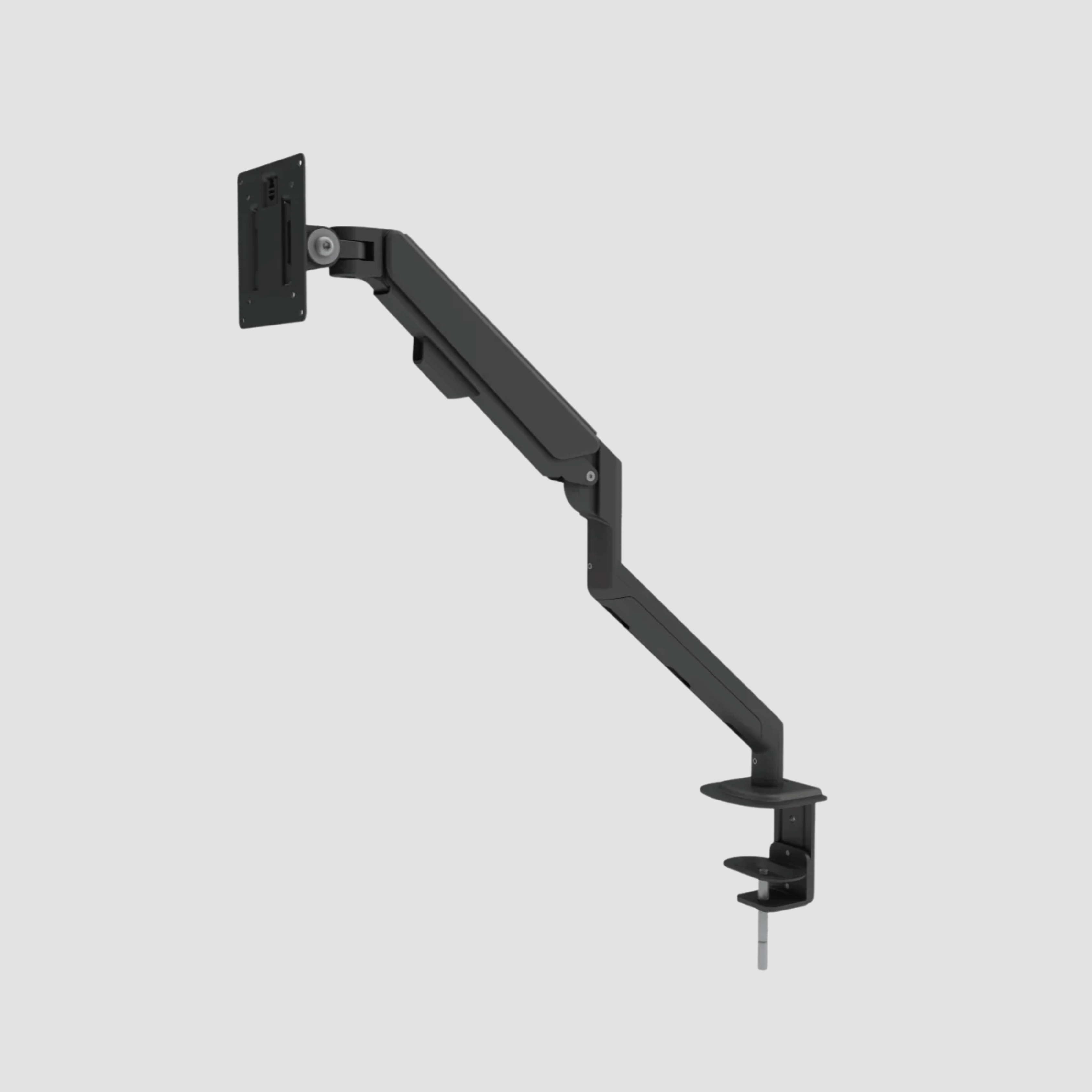
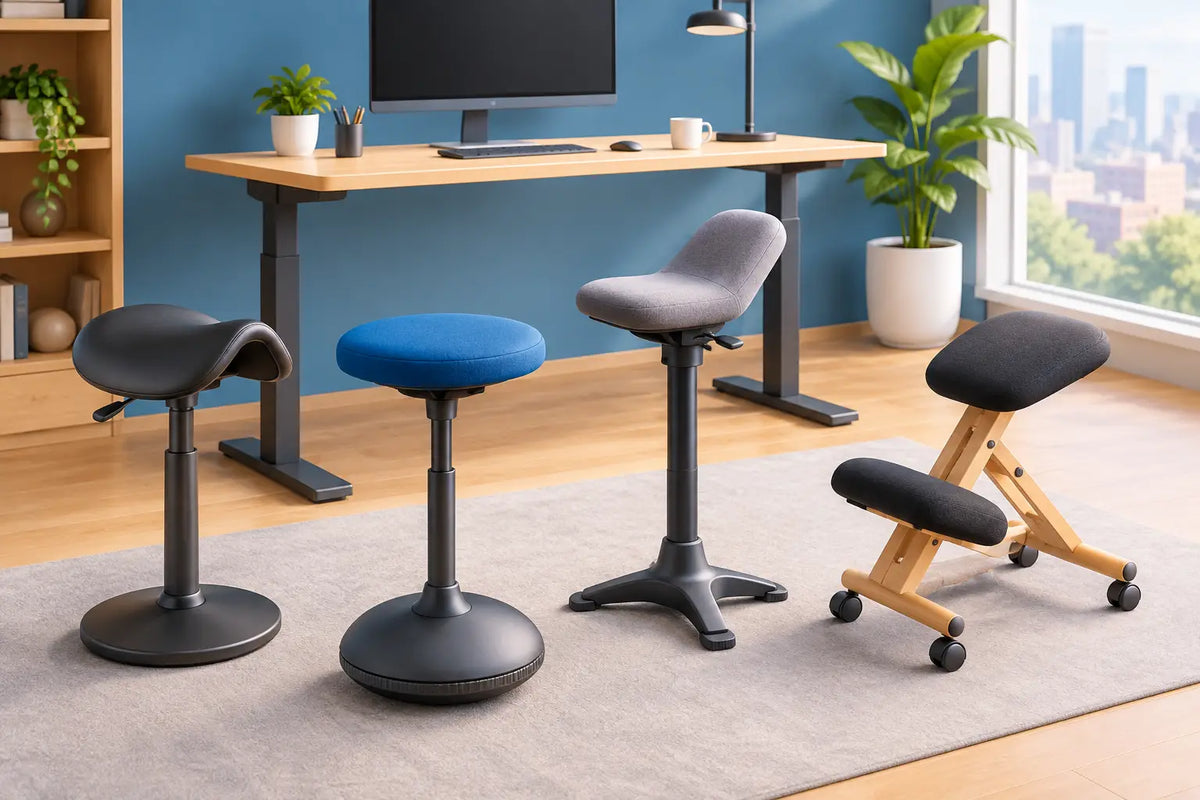
The supporting pieces matter just as much. An ergonomic chair makes seated work more sustainable, while a monitor arm can bring the screen to a more natural eye level without consuming the desk surface. A floor mat offers relief during longer standing periods. These additions are not accessories in the superficial sense. Together, they turn a desk into a workspace designed around the body.
The desk is becoming a complete system
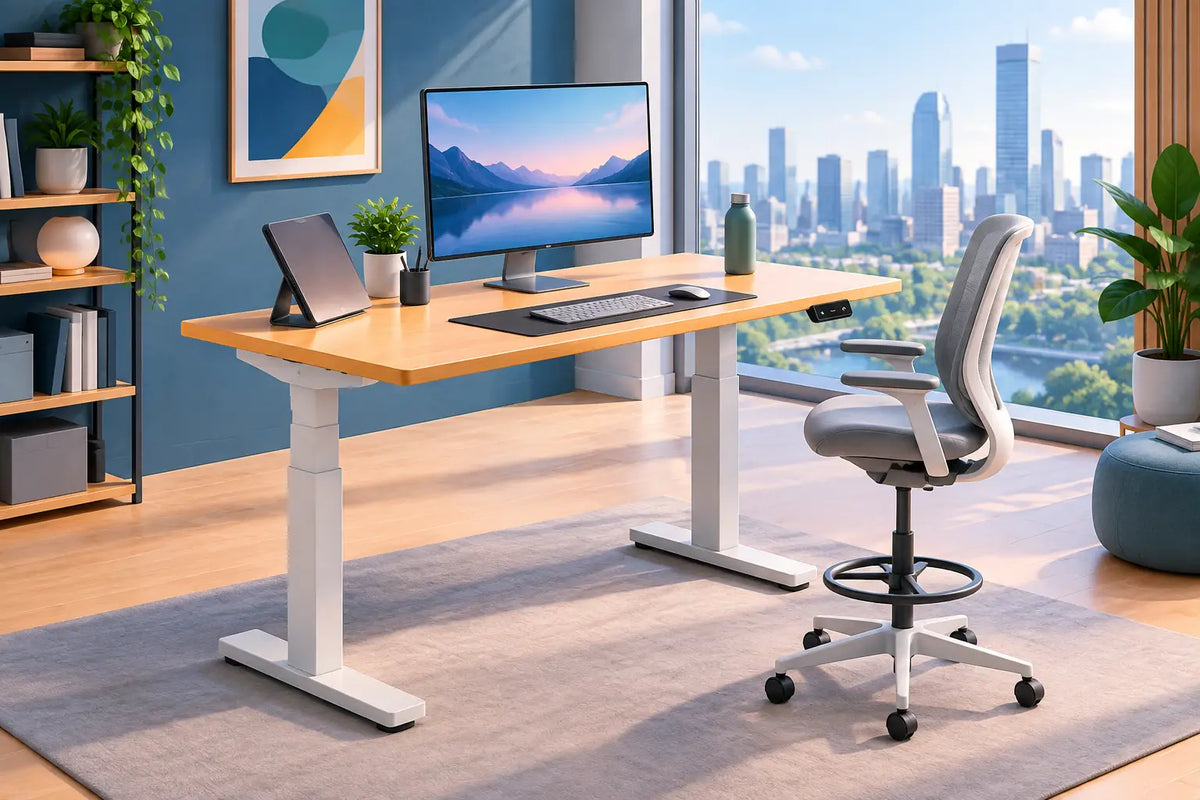
Another of the strongest standing desk trends is the move away from buying isolated products. Professionals are increasingly building coherent workspace systems, where desk, chair, monitor arm, cable management and storage are selected to work together visually and practically.
This approach has obvious benefits in compact homes. When a laptop dock, keyboard, monitor and charging cables each have a planned place, the desk can return to a calmer state at the end of the day. In a living room, bedroom or open-plan apartment, that order makes a noticeable difference.
It also creates visual continuity. Oak details repeated across a desktop, shelf or accessory can make a work zone feel intentional rather than inserted into the room. The aim is not to make the office look corporate. It is to create a space that supports serious work without compromising the character of the home.
Craftsmanship is part of the value calculation
Price remains a deciding factor, and it should. A height-adjustable desk has moving parts, a large work surface and a central role in daily comfort. But comparing desks only by the first number on a price tag misses the longer view.
A thick solid-wood desktop can be sanded, refreshed and lived with for many years. A stable frame with dependable motors is less likely to become a source of frustration as monitor setups and workloads grow. Quality components also tend to feel better in use: less shake while typing, smoother lifting and greater confidence when the desk is fully loaded.
For this reason, premium buyers are looking more closely at what sits beneath the finish. They ask whether the top is truly solid wood or veneer, whether the frame is designed for steady daily movement, and whether the design will remain appealing after a change of address or interior style.
At OAKO Denmark, this thinking begins with the material itself. European oak is not used as a decorative layer over a disposable core. It is the foundation of a desk made to bring natural warmth to modern technology, year after year.
Natural variation is becoming a feature, not a flaw
Mass-produced furniture often aims for perfect uniformity. Solid wood has another kind of appeal. Knots, grain direction and subtle differences in tone give each oak tabletop its own identity. These details are especially compelling in a workspace dominated by identical screens, cables and devices.
There is an important distinction between natural character and poor workmanship. A well-made oak desk should have a carefully finished surface, considered edge treatment and a construction that respects how timber behaves over time. Wood responds to its environment, so sensible care matters: avoid prolonged moisture, protect the surface from extreme heat and use desk pads where they suit the way you work.
Those small habits are part of owning a real material. They are also why a solid desk can become more personal over time rather than simply more worn.
The home office is being designed for life beyond work
The most durable trend may be the disappearance of the strict boundary between office furniture and home furniture. Hybrid work has made the home office visible for more hours of the day, and many people want a setting that supports both deep focus and daily living.
This does not mean every workspace must be minimal. Creatives may need sketchbooks, audio equipment or multiple displays. Entrepreneurs may need a clear surface for planning and video calls. The principle is to choose a desk with enough depth, strength and organisation for the work actually being done.
A smaller desk can suit a laptop-based role in a compact room. A larger top is often the better choice for dual monitors, a desktop computer or work that spreads across physical materials. The right desk is not defined by the trend alone, but by how well it fits the person, the room and the rhythm of the workday.
Choose the pieces that make you want to sit down, stand up and stay focused. When oak, thoughtful ergonomics and quiet engineering come together, a workspace stops feeling like an obligation and becomes one of the most purposeful places in the home.

Laat een reactie achter
Deze website wordt beveiligd door hCaptcha en het privacybeleid van hCaptcha . De gebruiksvoorwaarden zijn van toepassing .