



A tabletop can look exceptional in a product photograph and still disappoint once it becomes the surface beneath your workday. That is why solid wood tabletop reviews deserve a closer reading than a star rating. For a desk that will carry monitors, notebooks, coffee cups and years of daily use, the details behind the wood matter as much as the first impression.
A solid oak tabletop is an investment in material, craft and atmosphere. It brings warmth to a focused workspace in a way laminate rarely can. But solid wood is not a uniform industrial sheet. Its grain varies, its colour evolves and it responds naturally to the environment around it. The best reviews recognise this as part of its character, not a flaw.
How to Read Solid Wood Tabletop Reviews
The most useful reviews describe how a tabletop performs after it has settled into a real home office. Look beyond broad statements such as “beautiful” or “good quality” and pay attention to the practical details: the thickness of the top, the feel of the finish, the stability on a desk frame and the condition on arrival.
A credible review often mentions the weight. Solid oak is substantial, and that weight is usually a positive sign when the tabletop is paired with a properly specified frame. It gives the desk a planted, considered feel. At the same time, it means that installation should not be treated as a one-person task, particularly with wider tops. A premium workspace should feel reassuringly solid, not difficult to live with.
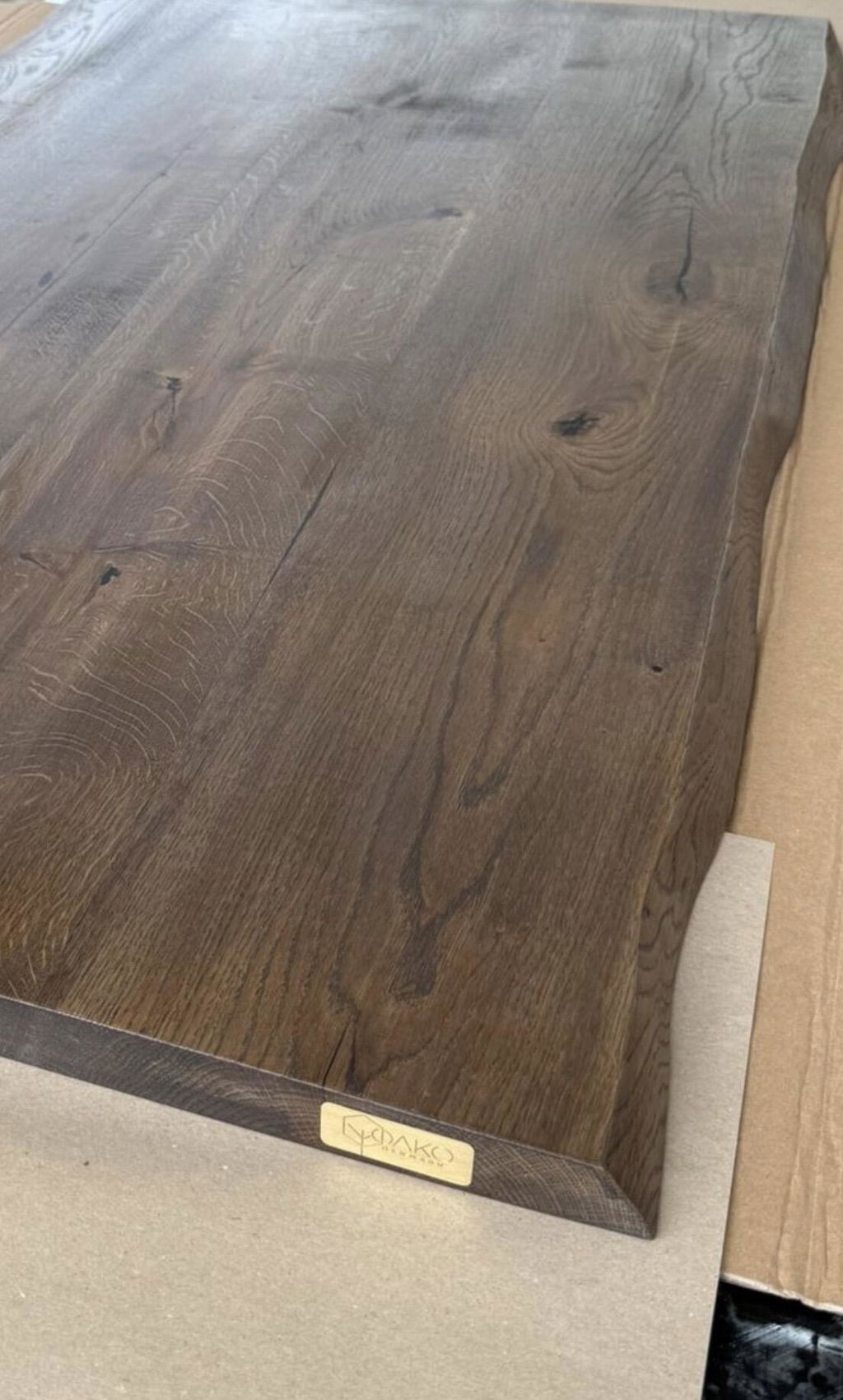
Photographs from customers can also reveal more than studio imagery. Look for close views of the grain, edges and corners in daylight. Oak has natural variation in tone, knots and pattern. If every tabletop appears identical, it may not reflect the reality of a natural material. A well-made solid wood surface should have visual consistency without losing the individuality that makes each piece its own.
Separate Natural Character From Genuine Issues
Reviews occasionally describe knots, tonal shifts or small changes in the grain as imperfections. With solid oak, context matters. These features are often part of the timber's honest expression. A tabletop with real depth and grain will not have the flat, repeated pattern of veneer or laminate.
That said, natural character should never be used to excuse poor workmanship. Open cracks that affect the surface, unstable joints, rough sanding, a sticky finish or damage caused by inadequate packaging are legitimate concerns. Good craftsmanship means selecting, joining, sanding and finishing wood with care while allowing the oak to remain recognisably oak.
When reading feedback, ask one simple question: is the reviewer responding to the material behaving naturally, or to a standard of production that has not been met? That distinction helps separate a thoughtful assessment from an expectation that solid timber should behave like plastic.
Construction Is the Foundation of a Good Review
The word “solid” can be used loosely in furniture. A solid wood tabletop should be made from real timber throughout the main surface, rather than a thin oak layer applied over particleboard, MDF or a hollow core. This affects its weight, longevity, repairability and visual depth at the edge.
For an oak desk, joined staves are a common and respected construction method. Carefully matched oak pieces are joined to create a stable, generous work surface. The quality lies in the selection of boards, the precision of the joins and the finishing process. The joins should feel smooth, sit flush and complement the grain rather than interrupt it.
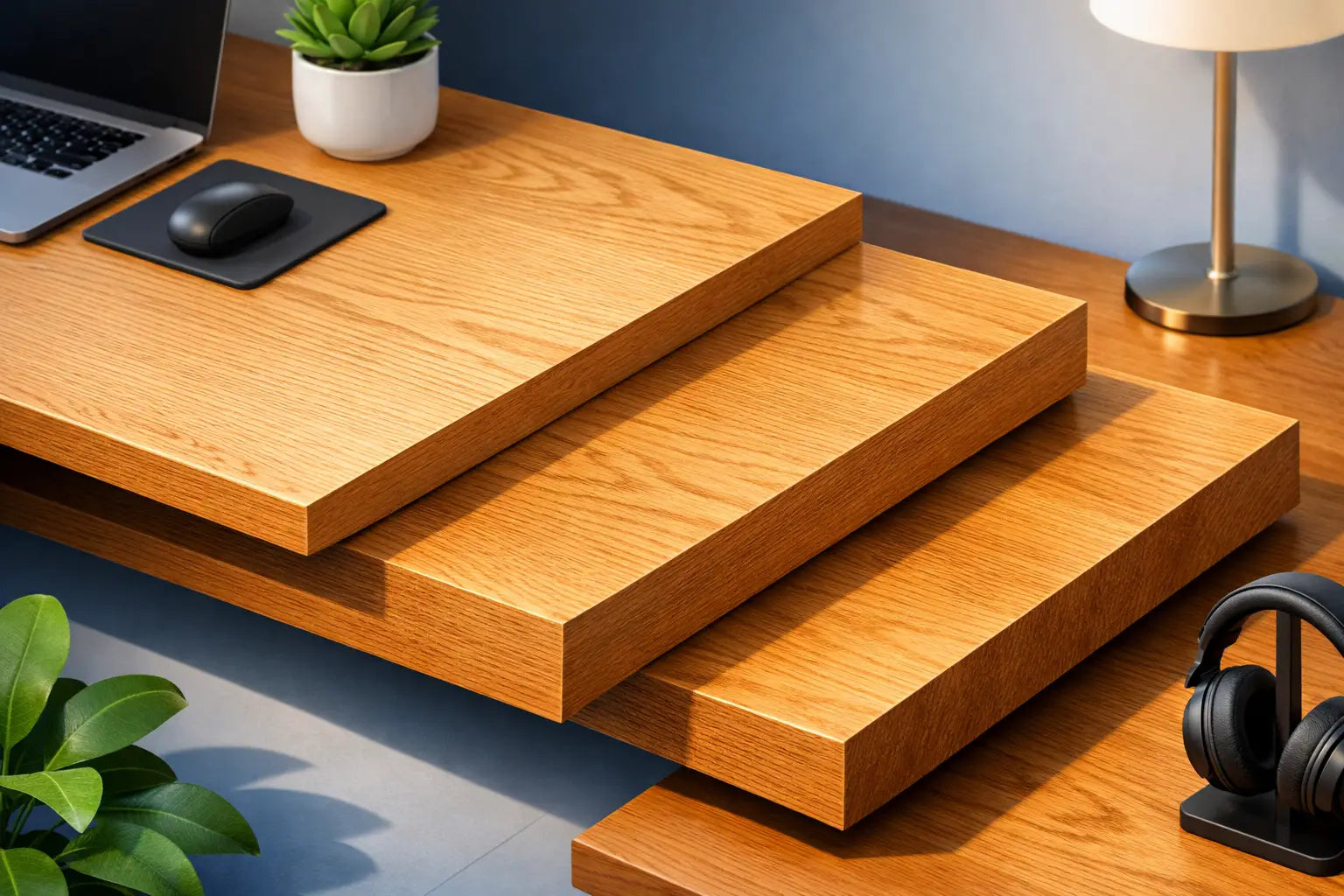
Thickness matters too. A thicker tabletop has stronger visual presence and tends to feel more substantial beneath the hands. It also gives a standing desk the proportion it needs, especially when paired with a clean steel frame. Very thin tops can make an otherwise capable workspace feel temporary. More thickness does add weight, so the desk frame must be designed to support both the tabletop and your daily equipment with confidence.
A strong review should mention whether the top feels stable when the desk rises and lowers. Movement is not only about the frame. A solid, correctly mounted tabletop contributes to the calm, composed feel of the whole desk.
The Finish Determines Everyday Use
The finish is where craftsmanship meets daily reality. It affects how the tabletop feels under your forearms, how easily it wipes clean and how it develops over time. A well-applied oil or protective finish should preserve the tactile quality of oak rather than bury it beneath a thick artificial-looking layer.
Reviews that mention easy cleaning, a smooth hand feel and resilience around everyday spills are useful. So are reviews that explain how the surface looks after several months. A natural wood desk will benefit from reasonable care. Wipe away liquids promptly, use a desk mat for heavy equipment or writing pressure, and avoid aggressive chemical cleaners.
No genuine wood finish is completely indifferent to misuse. A hot mug, standing water or a dragged metal object can leave its mark. The advantage of solid oak is that it can often be refreshed, lightly sanded or re-oiled when needed. That repairability is a meaningful part of long-term value. A damaged laminate surface normally offers far fewer options.
Desk Frame Fit Should Never Be an Afterthought
A tabletop is only one half of a height-adjustable desk. The relationship between timber and frame determines how the workspace performs at sitting height, standing height and every position between. Before relying on a review, check whether the reviewer used a comparable setup to your own.
A wide tabletop carrying dual monitors, a desktop computer and monitor arms creates a different load from a compact laptop setup. The frame should have the lifting capacity, width adjustment and stability to suit the tabletop dimensions. It should also include mounting points that allow the top to be secured without restricting the wood's natural seasonal movement.
Solid timber expands and contracts slightly as humidity changes. In Denmark, where indoor heating and seasonal shifts can alter room conditions, this is entirely normal. Proper construction and mounting account for that movement. The goal is not to force wood into complete stillness, but to give it the conditions to remain stable and beautiful over time.
Check reviews for comments on wobble at standing height, motor noise, assembly clarity and the desk's behaviour under load. These are frame questions, but they shape the experience of the tabletop every day. Where oak meets technology, both elements need to earn their place.
What a Premium Tabletop Should Feel Like
The strongest reviews often describe a feeling rather than a specification. A good solid wood desk surface makes a workspace quieter in a visual sense. It grounds cables, screens and technical equipment with a material that has grain, warmth and permanence.
For design-conscious professionals, that matters. The desk is no longer an anonymous utility pushed against a wall. It is where proposals are written, ideas become work and long video calls take place. A surface that feels substantial can subtly change how the room is used.
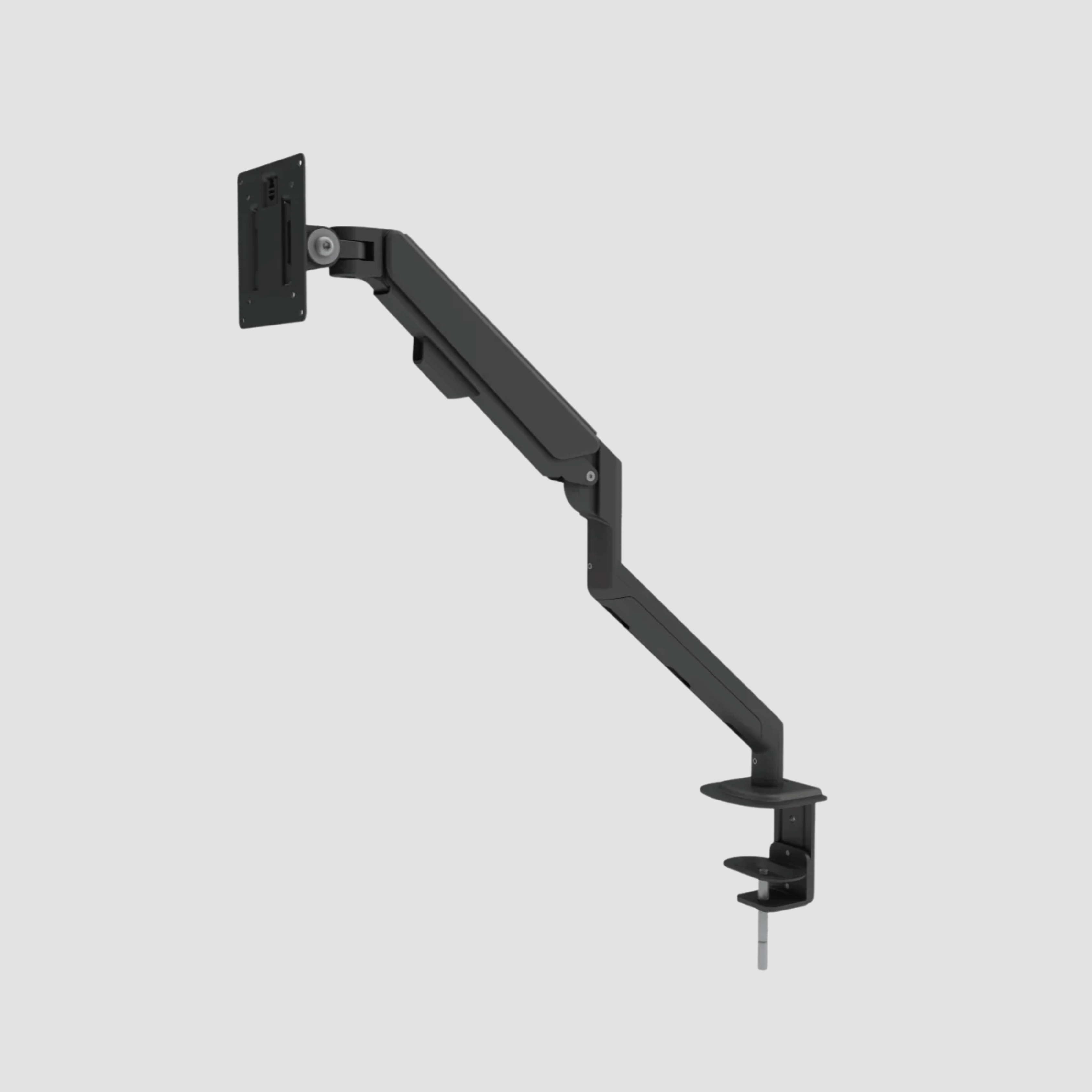
OAKO approaches this balance through handcrafted solid European oak tabletops paired with capable dual-motor steel frames. The intention is not to make technology disappear, but to give it a more enduring foundation. A matching monitor arm, cable solution or storage piece can then support the same calm visual language without competing with the wood.
Questions Worth Asking Before You Buy
Before choosing from solid wood tabletop reviews, compare the evidence against your own room, routine and expectations. Four questions usually bring clarity:
- Is the tabletop solid timber throughout, with a thickness and construction suited to a working desk?
- Does the finish support the level of maintenance you are willing to give natural wood?
- Can your chosen desk frame safely support the tabletop, equipment and accessories at full height?
- Do you appreciate natural variation in grain and colour, rather than expecting every surface to be identical?
Choose the tabletop you will still want to touch after the novelty has passed. When the oak is honestly made, properly finished and matched to the way you work, it does more than hold your equipment. It gives the working day a surface with real staying power.


Leave a comment
This site is protected by hCaptcha and the hCaptcha Privacy Policy and Terms of Service apply.