



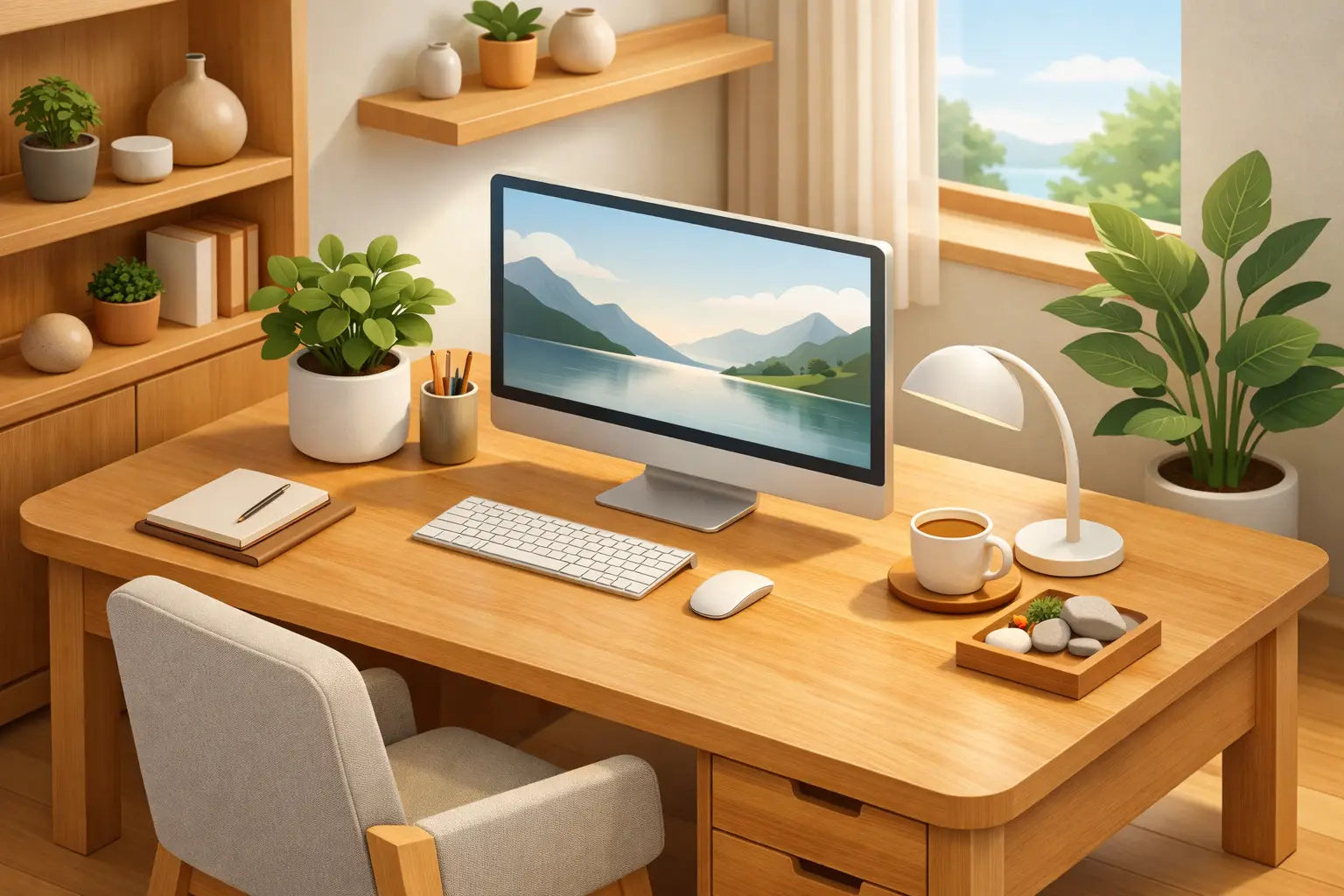
Der Schreibtisch ist in den meisten Heimbüros das größte sichtbare und räumlich präsente Objekt. Er bietet Platz für Ihre Arbeitsutensilien, prägt die Atmosphäre des Raums und bestimmt, wie Sie sich um 16:30 Uhr nach einem langen Tag körperlich fühlen. Ein Leitfaden für hochwertige Stehschreibtische sollte sich daher nicht nur auf den Höhenverstellmechanismus beschränken. Er sollte Ihnen dabei helfen, ein Möbelstück auszuwählen, das konzentriertes Arbeiten fördert, sich angenehm nutzen lässt und auch in vielen Jahren noch seinen Platz in Ihrem Zuhause verdient.
Ein hochwertiger Stehtisch ist eine Investition in Bewegung, Material und das tägliche Erlebnis. Der Unterschied macht sich oft schon deutlich, noch bevor der Tisch überhaupt in Betrieb genommen wird: das Gewicht einer Tischplatte aus echtem Holz, die ruhige Stabilität eines solide gefertigten Gestells und die Art und Weise, wie durchdachte Proportionen dafür sorgen, dass sich der Arbeitsplatz harmonisch und nicht nur provisorisch anfühlt.
Was macht einen Stehtisch zu einem echten Premium-Produkt?
Der Preis allein macht einen Schreibtisch noch nicht zu einem Premium-Modell. Ein überzeugender Schreibtisch vereint eine solide Tischplatte, zuverlässige Technik und eine Oberfläche, die den Anforderungen des Alltags gewachsen ist. Er sollte sich sowohl in der abgesenkten Position, in der man konzentriert schreiben kann, als auch in der angehobenen Position, in der man telefonieren oder die Körperhaltung wechseln kann, gleichermaßen durchdacht anfühlen.
Die Tischplatte verdient besondere Beachtung. Bei vielen Schreibtischen wird Laminat auf Spanplatten oder MDF verwendet, was bei einem geringeren Budget zwar praktisch sein mag, aber selten den Charakter, die Festigkeit oder die Reparaturfähigkeit von Massivholz aufweist. Eine Tischplatte aus massiver Eiche besticht durch natürliche Maserung, Wärme und eine haptisch ansprechende Oberfläche, die den Raum bereichert, anstatt in den Hintergrund zu treten. Jede Platte weist individuelle Unterschiede auf. Das ist kein Makel, den es zu verbergen gilt. Es ist vielmehr der Beweis für ein authentisches Material.
Eiche überzeugt nicht nur optisch. Das Holz ist dicht, langlebig und eignet sich hervorragend für Möbel, die für den täglichen Gebrauch konzipiert sind. Bei sachgemäßer Pflege lässt sich eine Tischplatte aus massiver Eiche im Laufe der Zeit auffrischen, anstatt sie zu ersetzen, wenn eine Kante Abnutzungsspuren aufweist oder die Oberfläche eine Auffrischung benötigt. Dies ist ein wesentlicher Unterschied zwischen Möbeln, die nur für wenige Jahre ausgelegt sind, und Möbeln, die für ein ganzes Leben gebaut sind.
Auch der Rahmen spielt eine wichtige Rolle. Achten Sie auf eine Stahlkonstruktion mit zwei Motoren, einem stufenlosen Höhenverstellbereich und Bedienelementen, die so intuitiv sind, dass man sie gerne und oft benutzt. Ein Stehschreibtisch verbessert Ihren Arbeitstag nur dann, wenn der Positionswechsel mühelos vonstattengeht. Wenn der Schreibtisch ruckelt, unter dem Monitor schwankt oder Sie zögern lässt, bevor Sie den Knopf drücken, wird diese Funktion bald ignoriert.
Leitfaden für hochwertige Stehschreibtische: Beginnen Sie mit Ihrem Arbeitsrhythmus
Wählen Sie einen Schreibtisch nicht allein anhand der Raumgröße oder eines Produktfotos aus. Gehen Sie von Ihrer tatsächlichen Arbeitsweise aus. Eine Ausstattung, die ausschließlich aus einem Laptop besteht, stellt andere Anforderungen als ein Arbeitsplatz mit zwei Monitoren, einem Desktop-Computer, Lautsprechern, Skizzenbüchern und einer Ladestation.
Berücksichtigen Sie die Zeit, die Sie im Sitzen verbringen, die Aufgaben, die Sie am Schreibtisch festhalten, und ob Sie sich den Platz mit anderen teilen. Für viele Menschen ist es am nachhaltigsten, nicht den ganzen Tag zu stehen, sondern zwischen Sitzen und Stehen zu wechseln und dabei regelmäßig kleine Haltungsänderungen vorzunehmen. Ein höhenverstellbarer Schreibtisch bietet Ihnen diese Freiheit, doch die Umgebung muss so gestaltet sein, dass beide Positionen bequem sind.
Im Sitzen sollten Ihre Ellbogen beim Tippen in einem Winkel von etwa 90 Grad anliegen, wobei Ihre Schultern entspannt sein sollten. Im Stehen sollte sich der Bildschirm in etwa auf Augenhöhe befinden und der Schreibtisch hoch genug sein, damit Sie sich nicht nach vorne beugen müssen. Größere Nutzer sollten besonders auf die Angabe zur maximalen Höhe achten. Ein Schreibtisch, der zu niedrig ist, beeinträchtigt die Körperhaltung, egal wie schön die Tischplatte auch sein mag.
Die Tiefe des Schreibtisches wird oft unterschätzt. Ein schmaler Schreibtisch mag für einen Laptop ausreichen, doch bei einer Monitor-Konfiguration ist ein ausreichender Abstand zwischen Augen und Bildschirm von Vorteil. Eine tiefere Arbeitsfläche bietet zudem Platz für eine Tastatur, ein Notizbuch und die kleinen Gegenstände, die das Arbeiten persönlicher machen, ohne dass der Schreibtisch zum Abstellplatz wird. Wählen Sie die Breite entsprechend Ihrer Ausstattung und Ihren räumlichen Gegebenheiten, vermeiden Sie es jedoch, einen zu kleinen Schreibtisch zu kaufen, nur um Platz auf dem Boden zu sparen. Ein Arbeitsplatz, der beengt wirkt, fördert selten gute Arbeitsgewohnheiten.
Stabilität ist kein Luxus
In der Stehposition zeigt sich die Verarbeitungsqualität eines Schreibtisches. Ein stabiler Rahmen sollte auch dann standfest bleiben, wenn Sie tippen, schreiben oder den Monitor verstellen. Ein gewisses Maß an Bewegung ist bei jedem höhenverstellbaren Schreibtisch normal, insbesondere in der höchsten Einstellung, doch ein deutliches Wackeln sollte nicht als unvermeidbar hingenommen werden.
Rahmen mit zwei Motoren sind in der Regel eine gute Wahl für hochwertige Schreibtische, da sie die Hubkraft auf beide Beine verteilen. Sie bieten eine zuverlässige Tragkraft für Massivholzplatten und ordnungsgemäß ausgestattete Arbeitsplätze und ermöglichen dabei in der Regel eine gleichmäßigere, kontrolliertere Höhenverstellung. Prüfen Sie die angegebene Tragkraft, aber beurteilen Sie diese mit gesundem Menschenverstand. Das Gesamtgewicht von Monitoren, Armen, Computern und Zubehör summiert sich schnell.
Lärm ist ein weiterer Aspekt, der in einer Wohngemeinschaft oder einem Großraumbüro ins Auge fällt. Ein leiser Rahmen verwandelt einen belebten Raum zwar nicht in Stille, sorgt aber dafür, dass ein Positionswechsel unauffällig und nicht störend wirkt. Es ist eine dieser kleinen technischen Raffinessen, die das Nutzererlebnis im Alltag verbessern.
Wählen Sie Materialien, mit denen Sie gerne leben möchten
Ein hochwertiger Arbeitsbereich sollte nicht wie eine Ansammlung generischer Komponenten wirken. Der Schreibtisch bietet die Gelegenheit, der Arbeitsumgebung dieselbe Sorgfalt zu widmen, die viele Menschen bereits ihrem Esstisch, ihrer Beleuchtung oder ihrem Wohnzimmer entgegenbringen.
Massive europäische Eiche bildet eine besondere Harmonie mit schwarzem oder neutralem Stahl. Das Holz verleiht Wärme und Tiefe, der Rahmen sorgt für Struktur und Technik. Dieser Kontrast kommt besonders gut in skandinavisch inspirierten Innenräumen zur Geltung, in denen natürliche Materialien ihre eigene Ausstrahlung entfalten dürfen, anstatt mit künstlichen Strukturen überdeckt zu werden.
Auch bei Massivholz gibt es praktische Auswahlmöglichkeiten. Eine klare, gerade Kante sorgt für einen präzisen, architektonischen Look, während eine Tischplatte mit naturbelassener Kante den individuellen Charakter des Baumes besser zur Geltung bringt. Keine der beiden Varianten ist grundsätzlich besser. Eine gerade Kante passt eher zu minimalistischen, geordneten Räumen. Eine naturbelassene Kante eignet sich für diejenigen, die sich einen Schreibtisch wünschen, der einzigartiger und ausdrucksstärker wirkt.
Rechnen Sie damit, dass echtes Holz subtil auf seine Umgebung reagiert. Temperatur- und Feuchtigkeitsschwankungen gehören zum Leben mit Holz dazu – sie sind kein Grund, darauf zu verzichten. Halten Sie den Schreibtisch von anhaltender direkter Hitze fern, wischen Sie verschüttete Flüssigkeiten sofort auf und verwenden Sie Untersetzer für Getränke. Das sind einfache Gewohnheiten, die dazu beitragen, dass die Oberfläche lange hält und Sie bei vielen Projekten, Umzügen und wechselnden Arbeitsabläufen begleitet.
Richten Sie den Schreibtisch als vollwertigen Arbeitsplatz ein
Selbst der schönste Schreibtisch kann frustrierend sein, wenn Kabel darunter herunterhängen, der Monitor zu tief steht oder der Stuhl Sie beim Zurücklehnen nicht richtig stützt. Erstklassige Ergonomie ist ein Gesamtkonzept, kein Einzelkauf.
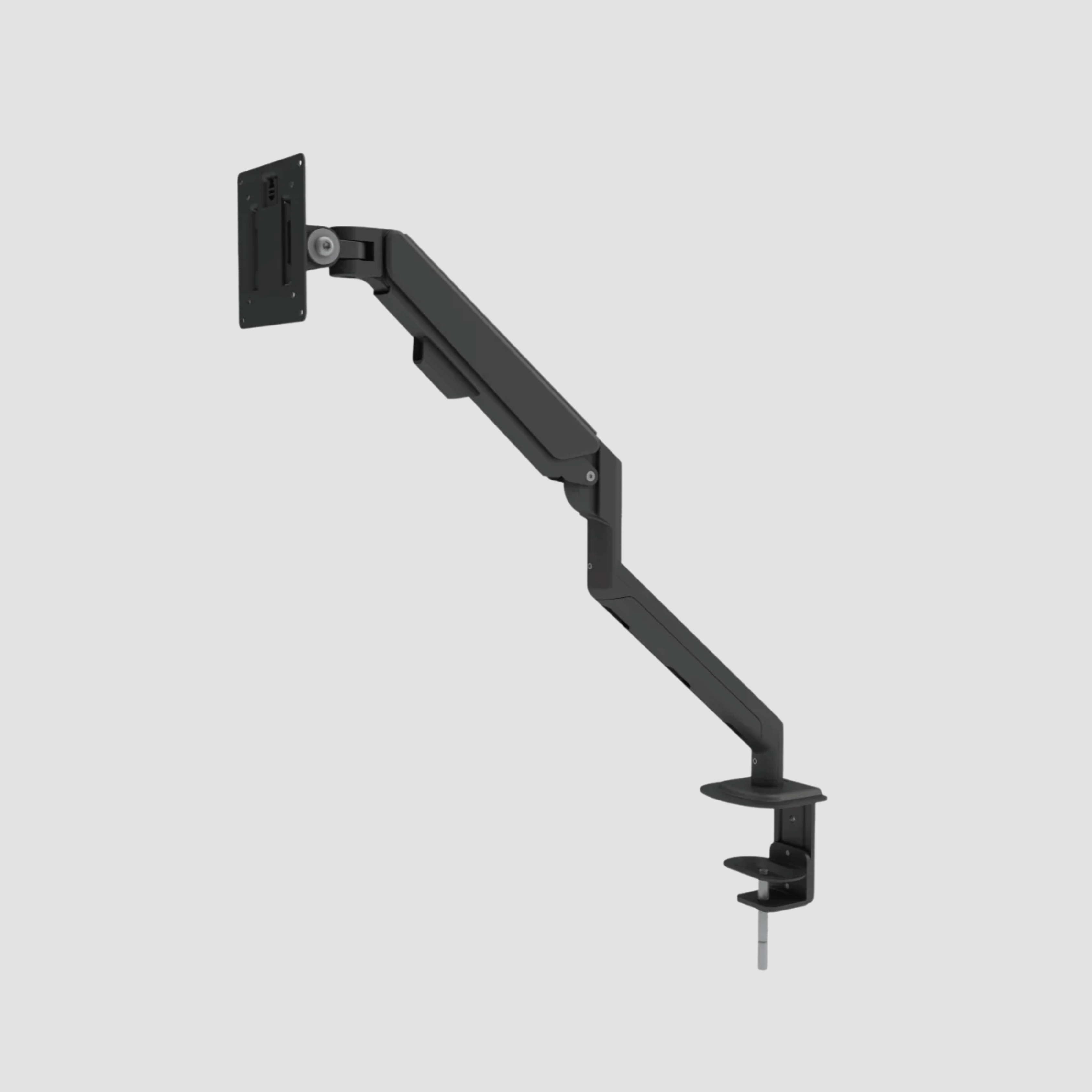
Ein Monitorarm kann wertvollen Platz auf der Arbeitsfläche freimachen und die Anpassung der Bildschirmhöhe erleichtern. Ebenso lohnenswert ist die Kabelführung, insbesondere bei einem höhenverstellbaren Schreibtisch, bei dem lose Kabel bei jeder Bewegung der Tischplatte stärker ins Auge fallen. Planen Sie, wo die Stromanschlüsse untergebracht werden sollen, wie die Kabel zum Boden verlegt werden und ob Ladegeräte und Adapter außer Sichtweite aufbewahrt werden können, ohne dass sie schwer erreichbar sind.
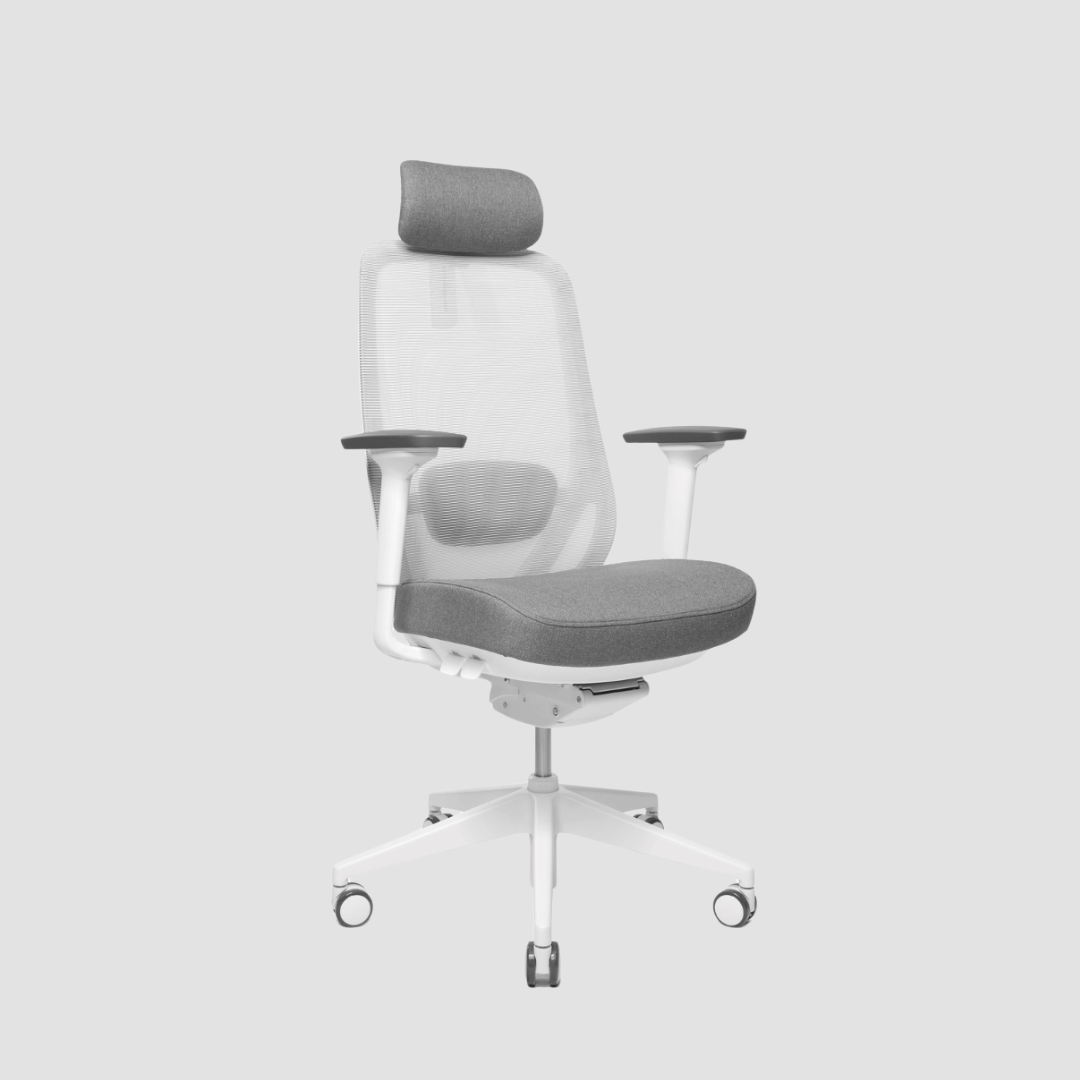
Ihr Stuhl bleibt unverzichtbar. Stehschreibtische sind kein Argument gegen das Sitzen. Sie sind vielmehr eine bessere Möglichkeit, um zu vermeiden, dass man zu lange in einer Position verharrt. Kombinieren Sie den Schreibtisch mit einem verstellbaren, ergonomischen Stuhl und stellen Sie beide Möbelstücke so auf, dass der Übergang zwischen ihnen fließend ist. Eine stützende Bodenmatte kann das Stehen zudem angenehmer machen, insbesondere auf harten Böden.
Für einen harmonischen Arbeitsbereich sind passende Accessoires mehr als nur Dekoration. Eine Kabelablage, ein Schreibtischregal, ein Schubladenschrank oder ein Monitorarm, die in derselben Material- und Formensprache gehalten sind, können optische Unruhe reduzieren. Das ist wichtig, wenn das Homeoffice Teil eines Schlafzimmers, eines Wohnküchenbereichs oder eines Ateliers ist. Das Ziel ist nicht, die Arbeit unsichtbar zu machen, sondern den Eindruck zu vermitteln, dass sie bewusst platziert wurde.
Denken Sie in Jahren, nicht in Wahlkämpfen
Es wird immer günstigere Stehschreibtische und gelegentliche Sonderangebote geben, die zu einer schnellen Entscheidung verleiten. Für einen Schreibtisch im Gästezimmer, der nur selten genutzt wird, mag das durchaus sinnvoll sein. Wenn Sie an diesem Schreibtisch jedoch arbeiten, kreativ tätig sind, lernen oder ein Unternehmen führen, lohnt es sich, eine andere Frage zu stellen: Wird mir dieser Schreibtisch auch dann noch gute Dienste leisten, wenn meine Anforderungen an die Arbeitsumgebung steigen?
Ein hochwertiger Schreibtisch sollte eine Tischplatte haben, die man gerne berührt, ein Gestell, dem man seine Arbeitsgeräte anvertrauen kann, und Proportionen, die sich an wechselnde Bedürfnisse anpassen. Er sollte im Sinne der Reparaturfähigkeit konzipiert sein und nicht auf den Austausch ausgelegt sein. Bei OAKO Denmark bedeutet das, handgefertigtes massives Eichenholz mit zuverlässiger, höhenverstellbarer Technik zu kombinieren, ohne dabei so zu tun, als müssten natürliche Materialien identisch aussehen, um edel zu wirken.
Messen Sie den Raum vor der Bestellung sorgfältig aus, einschließlich Sockelleisten, Heizkörpern und dem Platzbedarf für Stühle. Berücksichtigen Sie auch die Anfahrtsmöglichkeiten für die Lieferung, insbesondere bei einer massiven Massivholzplatte. Wählen Sie dann den Schreibtisch, der Ihrer Arbeit den Platz, die Bewegungsfreiheit und die Materialqualität bietet, die sie verdient.
Der beste Stehtisch ist nicht der, den man schon von weitem bewundern muss. Es ist der, der dafür sorgt, dass sich gewöhnliche Arbeitstage angenehmer, konzentrierter und ein wenig durchdachter anfühlen.


Hinterlasse einen Kommentar
Diese Website ist durch hCaptcha geschützt und es gelten die allgemeinen Geschäftsbedingungen und Datenschutzbestimmungen von hCaptcha.