


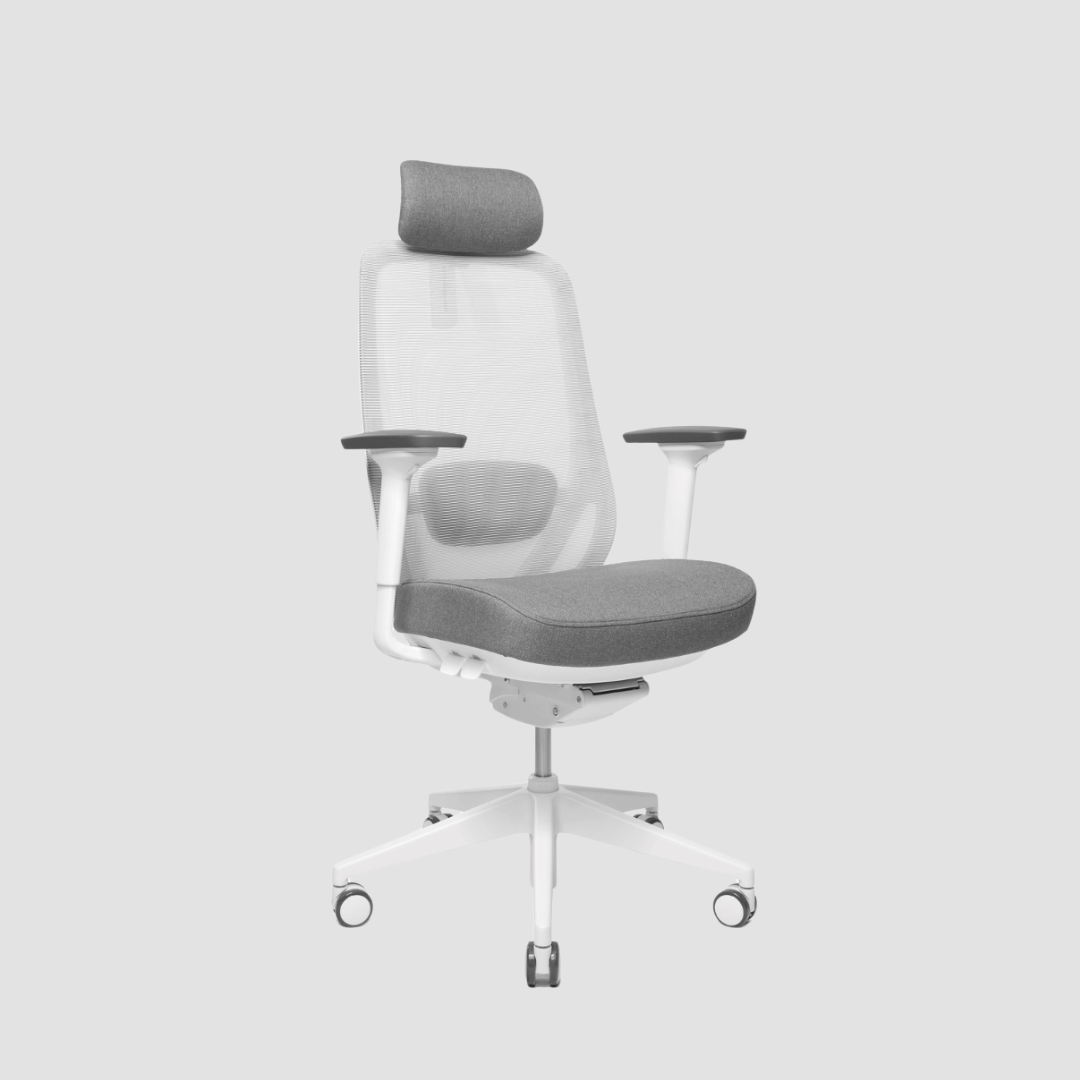
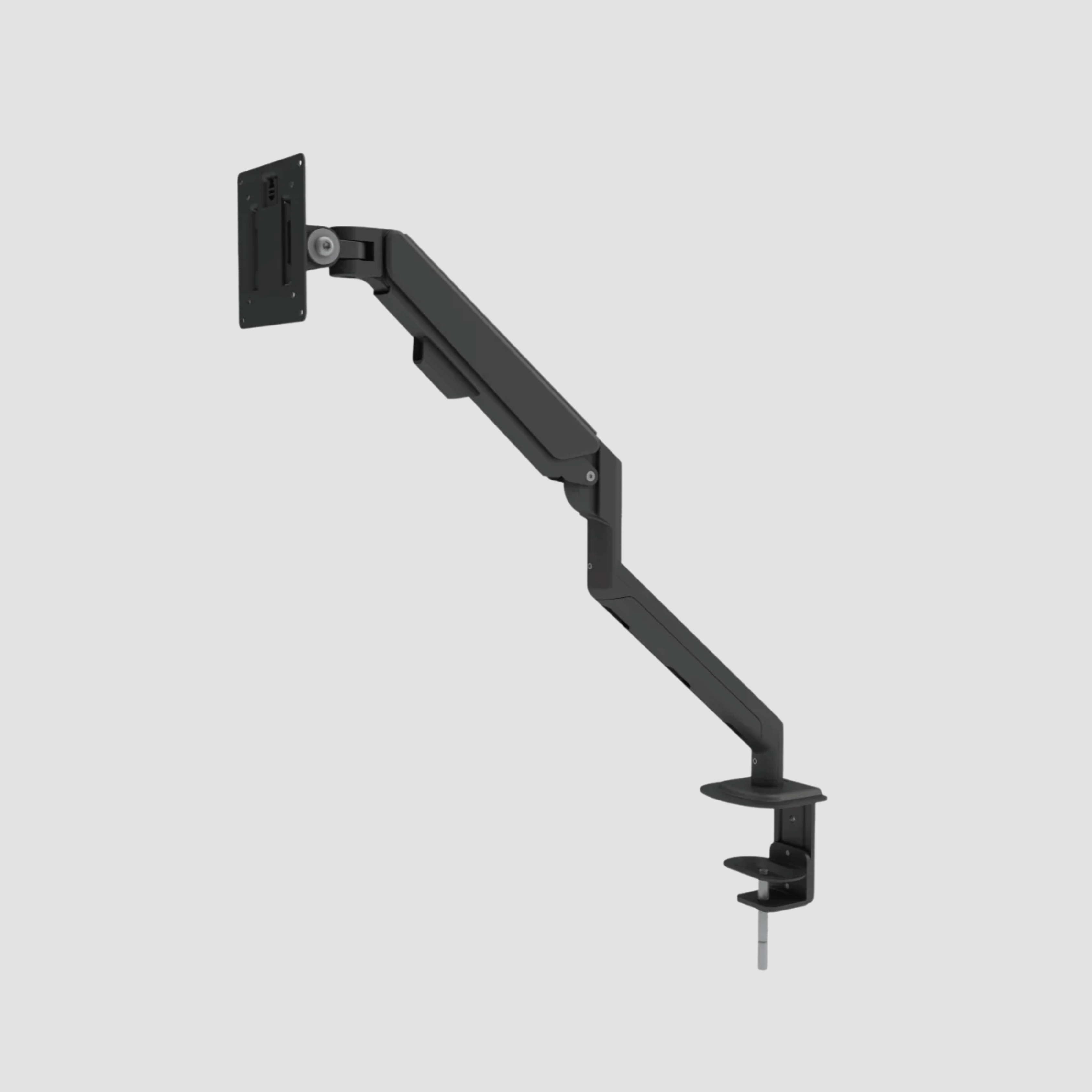

A desk is the surface beneath the work that matters to you: the proposal being revised before breakfast, the client call that runs long, the sketchbook left open between tasks. That is why thick wood desk benefits go beyond appearance. A substantial solid oak top changes how a workspace feels, performs, and holds its place in your home over many years.
For design-conscious professionals, a desk should not be treated as temporary equipment. It is furniture you meet every day, often for hours at a time. The material beneath your hands, the way the surface carries a monitor arm, and the confidence you feel when raising the desk to standing height all shape the experience.
A thicker top brings visible and practical strength
Thickness gives a wood desk visual authority, but it also has a practical role. A well-made solid wood top is better able to span the desk frame with composure, particularly on wider work surfaces. It provides a more substantial foundation for the realities of modern work: screens, laptop stands, speakers, desk lamps, notebooks, and the occasional heavy stack of samples or books.
This does not mean every thin desk is weak, or that thickness alone defines quality. The species of wood, board construction, moisture control, frame design, and joinery all matter. But when those details are handled properly, a thick oak top has a reassuring solidity that lightweight laminated boards rarely match.
That substance is felt in small moments. The desk is less likely to feel hollow when you rest your arms on it. It carries visual weight without needing excessive decoration. And when paired with a capable dual-motor standing desk frame, it creates a workstation that feels considered rather than assembled from disposable parts.
Better support for your working setup
A strong desktop matters most where pressure is concentrated. Monitor arms, clamp-mounted lights, cable trays, and laptop holders all place force on a relatively small area of the desk edge. A thicker solid wood top offers more material for clamps to grip and spreads the load more confidently than a thin fibreboard panel.
It is still wise to follow the load limits of every accessory and desk frame. A premium desk is not an invitation to ignore sensible setup. Yet a substantial top gives you greater freedom to build a workspace around the way you actually work, rather than keeping every object deliberately light.
Thick wood desk benefits include a steadier feel
Standing desks are designed to move, but they should not feel unsettled once they reach working height. Frame quality is the main factor here: broad feet, well-engineered columns, a balanced lifting system, and correct assembly make the greatest difference. The desktop also plays a part.
A thick solid oak surface adds mass to the overall desk, helping it feel planted at seated height and composed when raised. It is particularly valuable for people who type vigorously, work with a large display, or switch frequently between sitting and standing. The aim is not absolute immobility - no height-adjustable desk behaves exactly like a fixed workbench at its tallest setting - but calm, controlled performance.
There is a design benefit, too. Oak has enough character to make a larger desk feel warm rather than heavy. Its grain introduces movement and depth, while the clean lines of a steel frame keep the silhouette contemporary. This balance is central to a workspace that supports focus without becoming visually sterile.
Solid oak becomes more personal with age
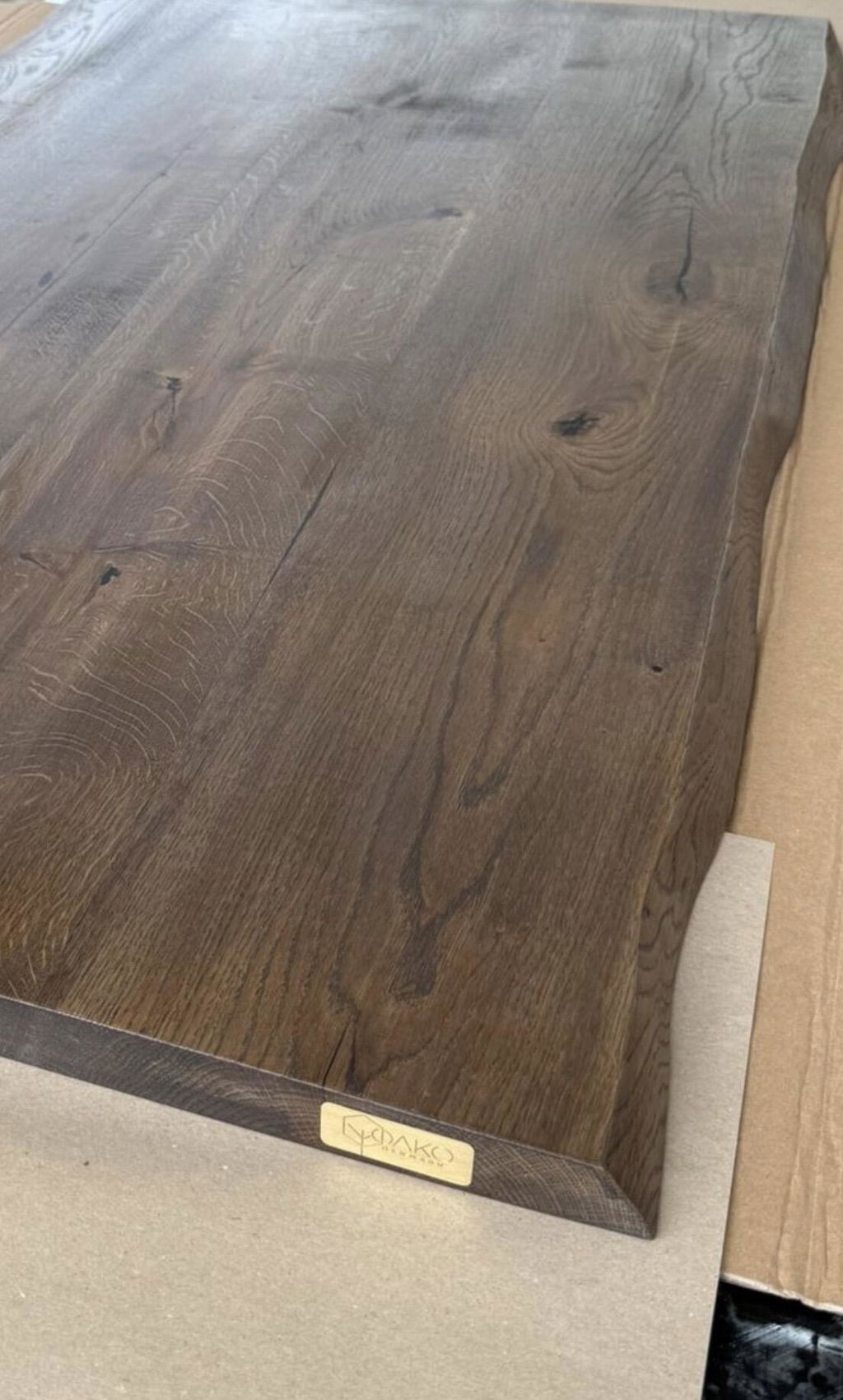
A thick wood desk is not trying to impersonate wood. It is wood: natural, tactile, and individual. Each board carries variations in grain, knots, medullary rays, and tone. Those details mean your desk will not look identical to the next one, even when both are made from the same carefully selected European oak.
Over time, real wood develops a quieter, richer character. Daylight can gently deepen its tone. Daily use creates a relationship with the surface. Unlike a printed laminate pattern, which remains visually fixed until it chips or peels, oak has depth below the finish. It can be refreshed, re-oiled, or carefully sanded when needed.
This is one of the most meaningful thick wood desk benefits: longevity is not only about surviving wear. It is about remaining worth caring for. A desk that can be maintained has a longer emotional life, as well as a longer practical one.
Repairability changes the value equation
No desk is immune to life. A coffee ring, a scratch from moving equipment, or a small dent from an overenthusiastic home project can happen. With solid wood, many marks can be softened or repaired instead of forcing a replacement.
The right approach depends on the finish and the depth of the damage. Light surface marks may need only gentle cleaning and suitable wood care. Deeper damage may call for professional attention or careful refinishing. The point is that solid oak gives you options. Veneer and laminate surfaces can be beautiful in the short term, but once their thin decorative layer is badly damaged, repair is often far more limited.
Natural material improves the atmosphere of a home office
Most home offices contain a great deal of technology: black screens, cables, chargers, metal stands, and synthetic fabrics. Oak introduces a needed counterweight. It brings texture and warmth without compromising a clean, modern look.
That quality matters when your work area is part of a living room, bedroom, or open-plan home. A thick oak desk can read as proper furniture rather than office hardware that needs to be hidden after the working day. It belongs alongside considered interiors, from pale Scandinavian palettes to darker, more architectural spaces.
The effect is not merely decorative. People tend to look after spaces that feel intentional. A desk that makes you want to sit down can encourage better routines: clearing the surface at the end of the day, positioning the monitor correctly, and using the sit-stand function more often. Material quality cannot solve poor posture by itself, but it can make an ergonomic workspace feel more inviting to use.
Thickness should suit the room and the way you work
More material is not automatically better. A thick desktop is heavier, which affects delivery, installation, and any future move. It also needs a frame designed to support its weight safely through the full height range. If you live in a compact apartment or prefer a particularly light visual expression, desk dimensions and frame proportions deserve extra attention.
The key is balance. Choose enough depth for your monitor distance and working style, enough width for the tasks you perform, and a desktop thickness that looks and feels appropriate to the scale of the room. A generous oak top can anchor a dedicated office beautifully. In a smaller space, it may work best with a more restrained width, clear cable management, and a chair that can tuck neatly away.
Wood also responds to its environment. Avoid placing a solid wood desk directly beside a strong heat source or in prolonged harsh sunlight where possible. Maintain a stable indoor climate, wipe spills promptly, and use protective pads beneath very hot or wet items. These are simple habits, not demanding rituals, and they help preserve the surface for the long term.
A desk worth building a system around
The best workspaces are not collections of unrelated products. They are systems in which every part has a purpose. A thick oak top gives that system a clear centre: a surface substantial enough for a monitor arm, calm enough for focused work, and beautiful enough to remain visible in the home.
At OAKO, this meeting point of oak and technology is the reason a height-adjustable desk can feel like lasting furniture rather than a short-term office purchase. Pairing a solid wood top with an ergonomic chair, considered cable control, and properly positioned screens creates a setup that supports both concentration and movement.
Choose the desk you will still be glad to use after the novelty has passed. The right thick wood surface will carry the practical weight of your work while bringing a little more permanence to the room around it.



Leave a comment
This site is protected by hCaptcha and the hCaptcha Privacy Policy and Terms of Service apply.