



A desk can look convincing in a product photo and still feel hollow when you rest your hands on it. The difference is often craftsmanship in oak furniture: the decisions made long before the oil is applied, from selecting the boards to shaping the edges and building a surface that can live with you for decades.
For a home office, this matters more than many people expect. Your desk is where mornings begin, where ideas take shape, where calls run long and where the workday should finally end. It needs to support the body, but it should also bring a sense of calm and substance to the room. Solid oak does that when it is made with care.
What craftsmanship in oak furniture really means
Craftsmanship is not a decorative word for a rustic look. It is the discipline of making good material choices, respecting the nature of timber and refusing shortcuts that weaken the finished piece. In oak furniture, it shows in what you can see - and in what you cannot.
A well-made solid oak desktop begins with real boards, not an oak-effect surface laid over chipboard or MDF. Each board carries a different grain pattern, mineral mark and tonal shift. These variations are not flaws to be printed away. They are the character of the tree, arranged thoughtfully so the finished top feels balanced rather than busy.
The maker also has to account for how oak behaves. Wood responds to humidity and seasonal temperature changes. It expands and contracts across the grain, which means a tabletop needs construction that allows it to move naturally. A surface that is forced into place without this consideration may eventually cup, split or feel under tension. Proper craftsmanship plans for movement rather than pretending it does not exist.
That is the central difference between furniture made to ship quickly and furniture made to stay useful. One is designed around a short production cycle. The other is designed around the material.
The details that make an oak desk feel substantial
At first glance, two oak desks may appear similar. Both may be described as wood, both may have a warm finish, and both may sit on a black steel frame. Look closer and the distinction becomes clear.
Timber selection and board matching
The quality of an oak desk starts with the timber itself. Good boards are selected for soundness, grain direction and visual harmony. Knots can add depth and personality, especially in a more expressive live-edge top, but they should be stable and treated with intention. A premium tabletop is not simply a collection of boards joined together. It is composed.
European oak is particularly suited to workspaces because it has weight, density and a grain that feels both clean and alive. Its pale golden tone works naturally in Scandinavian-inspired interiors, whether the room is minimal, creative or more traditional. Over time, oak develops a richer patina instead of merely looking worn.
Joinery and construction
A thick solid wood top should feel calm and stable across its full width. Careful joining keeps the boards aligned, while proper curing and preparation reduce the risk of unwanted movement later on. The aim is not to make wood behave like plastic. It is to build it in a way that respects its strength and its limits.
This is especially relevant on a height-adjustable desk. When the desk moves from seated to standing height, the tabletop becomes part of a working mechanism. It must have the stiffness to support screens, monitor arms and everyday equipment without feeling flimsy. The steel frame provides controlled movement and lifting power; the oak surface gives the desk its presence, warmth and long-term resilience. Where oak meets technology, neither element should feel like an afterthought.
Edges, sanding and touch
The edge profile is easy to overlook until you have spent eight hours at the desk. Sharp corners can feel harsh against the forearms. Over-rounded edges can make a thick top lose visual definition. A considered soft radius retains the architectural line of the oak while making the surface comfortable to use.
Sanding is equally important. A good finish should feel smooth without becoming lifeless or overly glossy. You should still sense the open texture of the wood beneath your hand. This tactile quality is one reason solid oak changes the experience of a workspace. It turns a functional surface into something more grounded.
Why solid oak is a better long-term choice
Choosing solid oak is not about claiming that every other material has no place. Veneer can be appropriate for certain furniture, particularly where weight, price or a very uniform appearance matters. Laminate is practical in high-turnover settings and can be easy to clean. But these materials do not age, repair or carry the same structural integrity as a properly made solid oak top.
Solid oak can be maintained. Minor scratches, water marks and the gentle evidence of everyday use do not automatically mean the desk is finished. In many cases, the surface can be refreshed with careful sanding and re-oiling. That repairability is part of its value. A desk built for a serious workspace should not become disposable because of one mark from a coffee cup or a misplaced key.
There is a trade-off. Solid oak is heavier, costs more and asks for a little attention. It should not be left under standing water, and its finish benefits from occasional care. Yet for people furnishing a home office they plan to keep, those demands are modest compared with the years of use the material can return.
A desk made for the way you work
Craftsmanship alone does not solve poor posture. An exceptional tabletop still needs to work with an ergonomic setup. The most considered workspace brings material quality and physical comfort together.
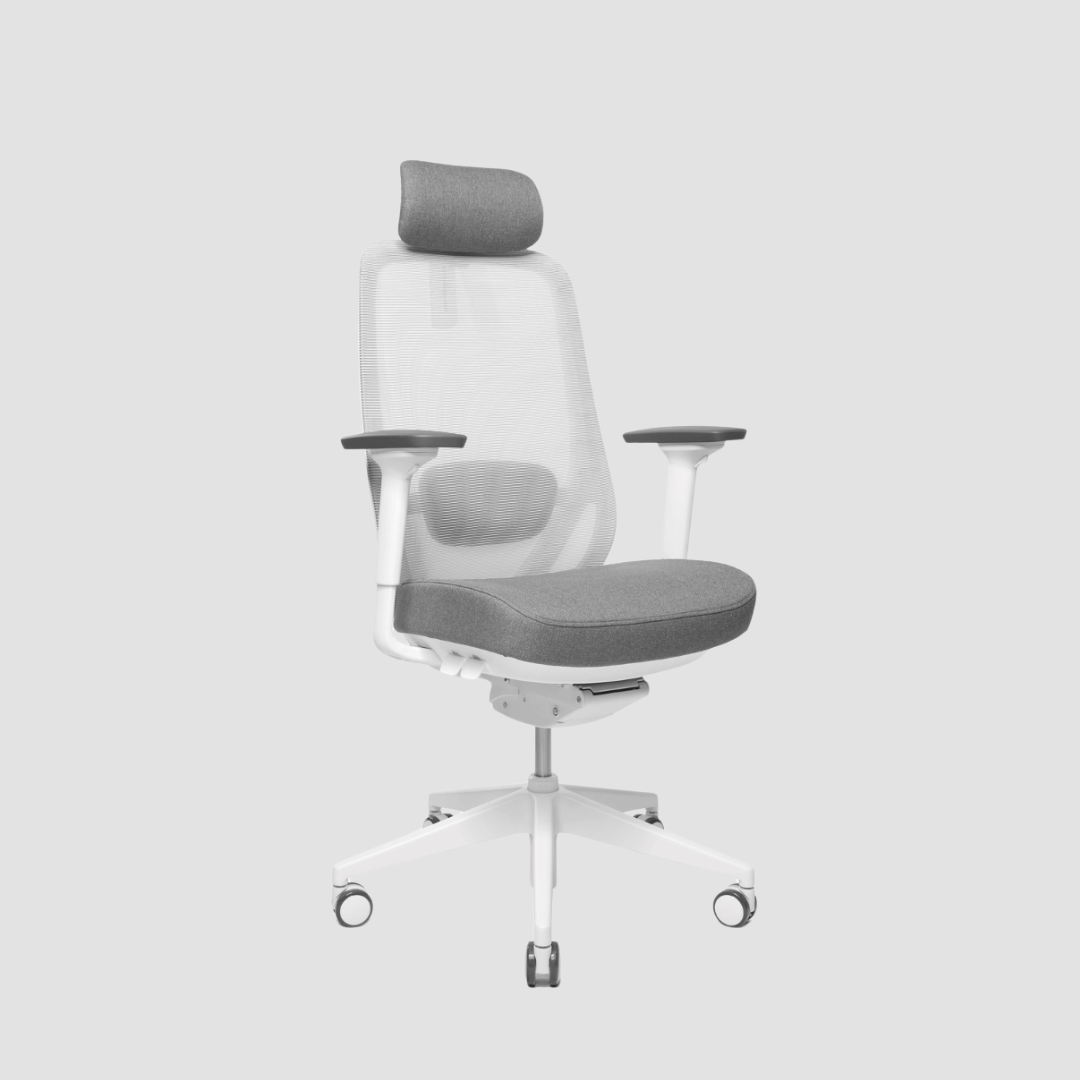
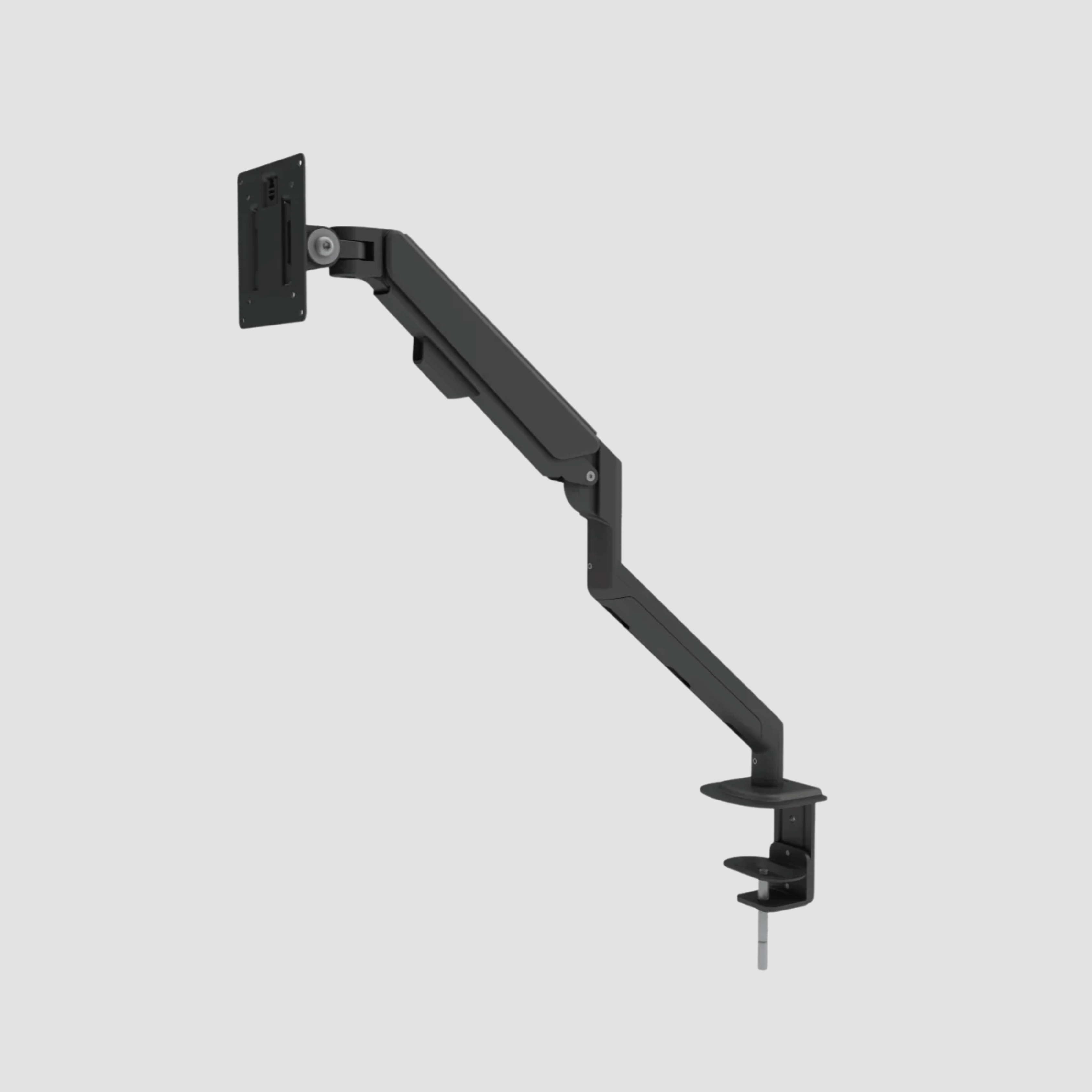
A dual-motor standing desk frame allows you to shift position through the day with controlled, reliable movement. Pair it with a chair that supports the lower back, a monitor arm that brings the screen closer to eye level, and cable management that keeps visual noise off the floor. The result is not just a better-looking room. It is a workstation that makes it easier to focus, move and settle into the task at hand.
Oak contributes something less measurable but no less real. Natural material softens the technical character of screens, chargers and steel hardware. It makes an office feel less temporary. For remote workers, founders and creative professionals, that shift can matter: the room begins to reflect the standard of work happening within it.
At OAKO Denmark, this is why a solid oak standing desk is considered as a complete workspace rather than a tabletop with legs. The timber, edge finish, frame strength and matching accessories need to hold together visually and functionally. A monitor arm should not fight the desk. Cable management should not interrupt its lines. Storage should feel coordinated, not added later.
How to recognise quality before you buy
Product descriptions can make almost any desk sound premium, so it helps to ask direct questions. Is the top solid oak throughout, or is it a veneer over an engineered core? What is the tabletop thickness? Is the timber European and properly prepared? How is the surface finished, and can it be renewed over time?
Also consider the desk from the side, not just from above. Look at the edge treatment, the consistency of the frame, and how the wood meets the metal components. A premium desk should feel proportionate. An oversized frame can overpower a refined top, while an underbuilt frame can make even beautiful oak feel uncertain in daily use.
If you choose a live-edge surface, accept that it will be more individual. The contour, grain and knots will vary from one piece to another. That is precisely the appeal, but it may not suit someone who wants strict symmetry or a highly pared-back workspace. A straight-edge oak top offers a more architectural expression while retaining all the warmth of real timber.
Care that lets oak age well
Oak does not need complicated treatment, but it rewards sensible habits. Wipe spills promptly with a soft, slightly damp cloth, then dry the area. Avoid harsh cleaners, abrasive pads and prolonged exposure to direct heat. Use a coaster beneath hot drinks and a desk mat where tools, metal accessories or frequent writing could mark the surface.
Over the years, an oiled oak top may benefit from re-oiling when it begins to look dry or loses its depth. This is not a failure of the material. It is a simple act of maintenance, much like caring for leather shoes or sharpening a well-used kitchen knife. The desk becomes more personal with time because it remains capable of being cared for.
The best oak furniture does not ask to be kept untouched. It asks to be used properly, maintained honestly and chosen with the expectation that it will still have a place in your life when the next workspace takes shape.



Leave a comment
This site is protected by hCaptcha and the hCaptcha Privacy Policy and Terms of Service apply.